Written by:
High Mountain Moving Team
Published:
November 18, 2026
Deciding between moving boxes and a portable container? Compare time, effort, risk, and fit to find the right setup for your move.
Moving boxes give you flexibility and let you load in stages, while a portable container gives you one fixed space you pack once and have hauled away. Boxes work best when you have time to pack gradually and want to control exactly how each item travels. A portable container works best when you want everything consolidated in one spot and off your property on a schedule you set once, rather than on moving day itself.
Both get your belongings from one address to another, but they ask different things of you before the truck or trailer ever shows up. The right call depends less on how much you own and more on how you prefer to work: steady and spread out, or concentrated into one hard deadline.
Boxes let you pack in short sessions over several weeks, a drawer here, a closet there, with no deadline pressing on any single day. A portable container gives you a firm window, usually a set number of days on-site, by which everything needs to be packed and loaded, which forces a faster pace whether or not your schedule cooperates.
If your calendar is unpredictable between now and your move date, boxes are more forgiving. You can pack two rooms this week and the rest next week. A container rewards people who can clear a few consecutive days to get the bulk of the work done, since once it's picked up, you lose access to anything that didn't make it in.
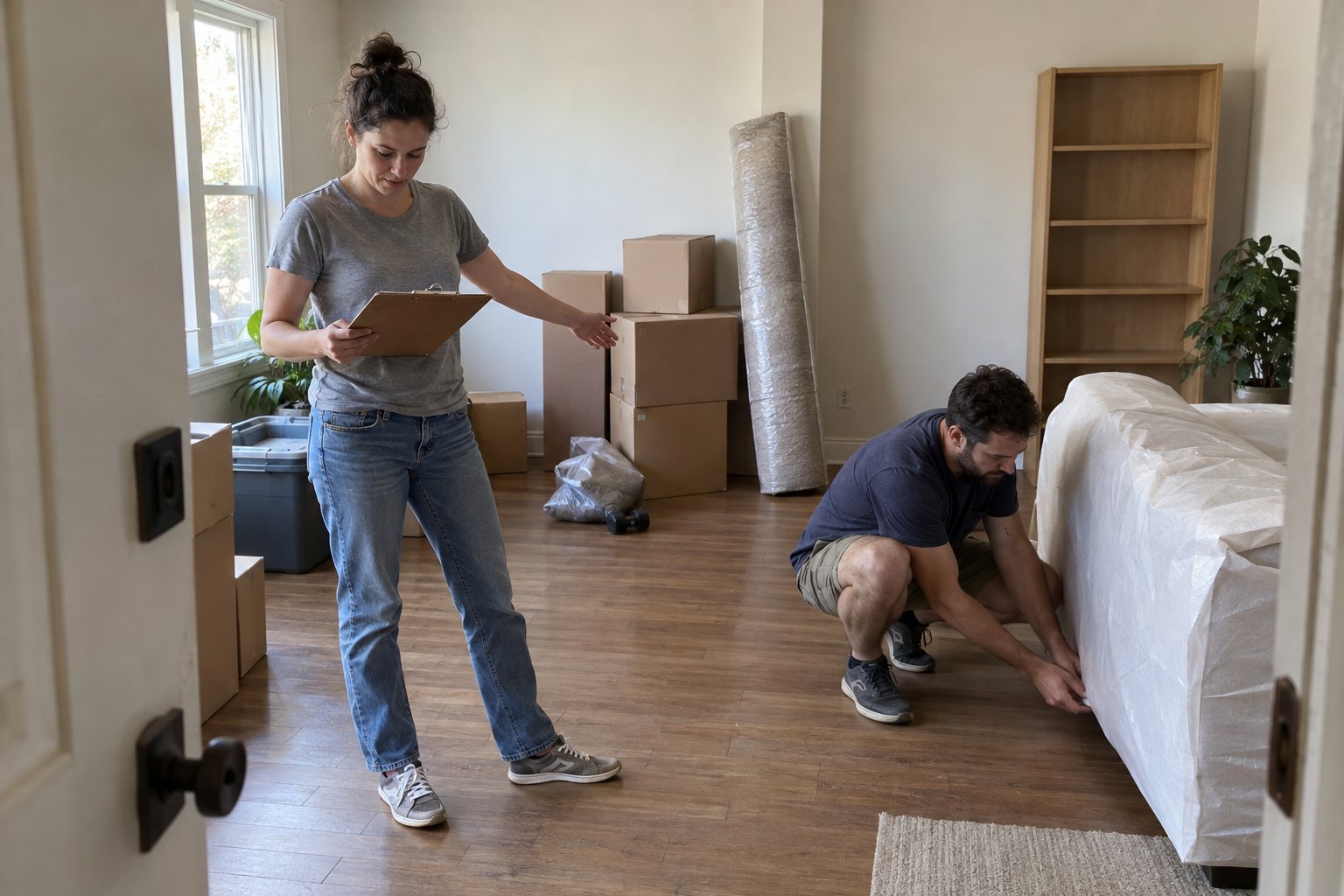
As a rough approximation, plan on about a day of focused effort per room when packing boxes on your own schedule, and expect to compress that same work into the container's rental window rather than spreading it out. Knowing which model you're working under changes how early you should start.
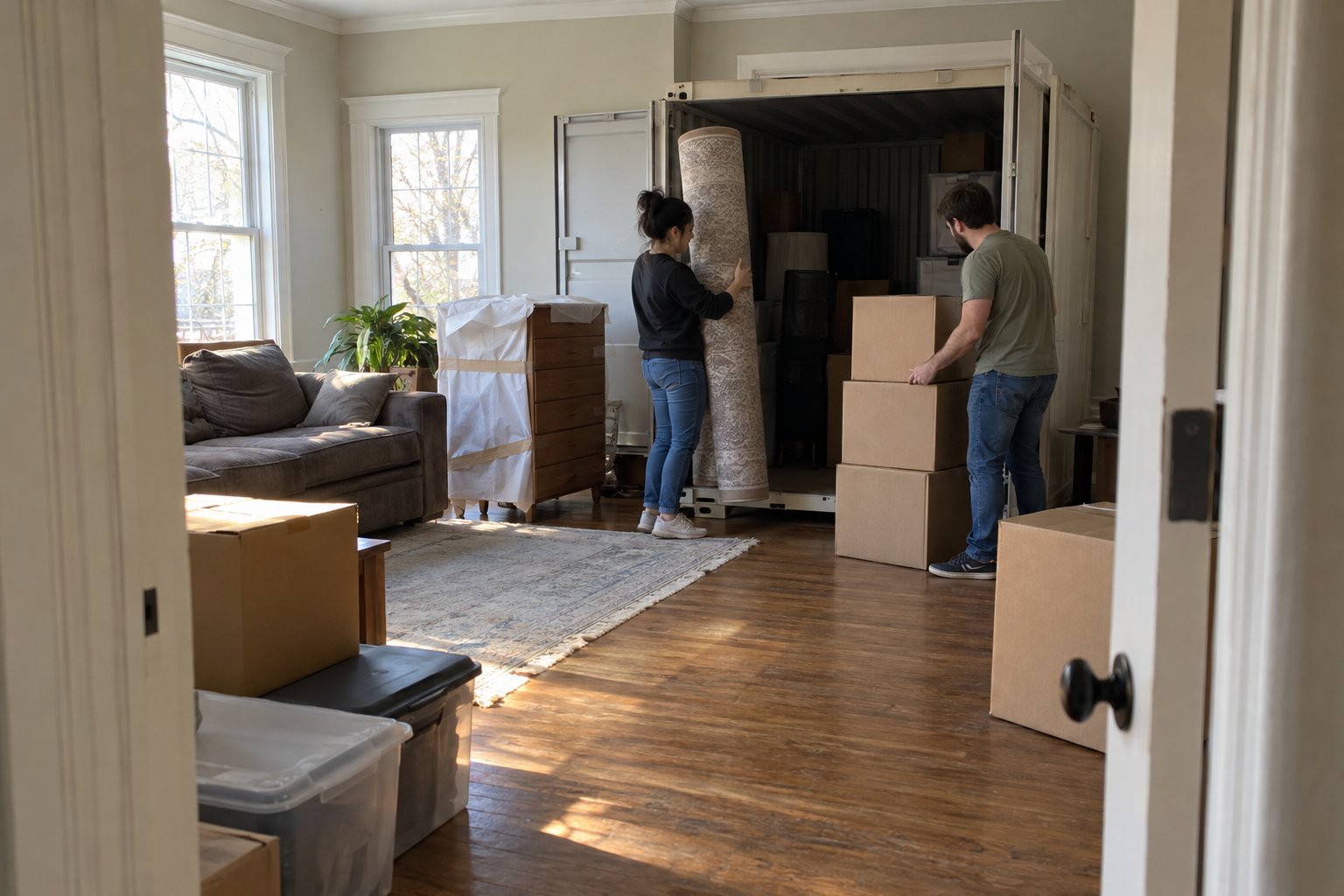
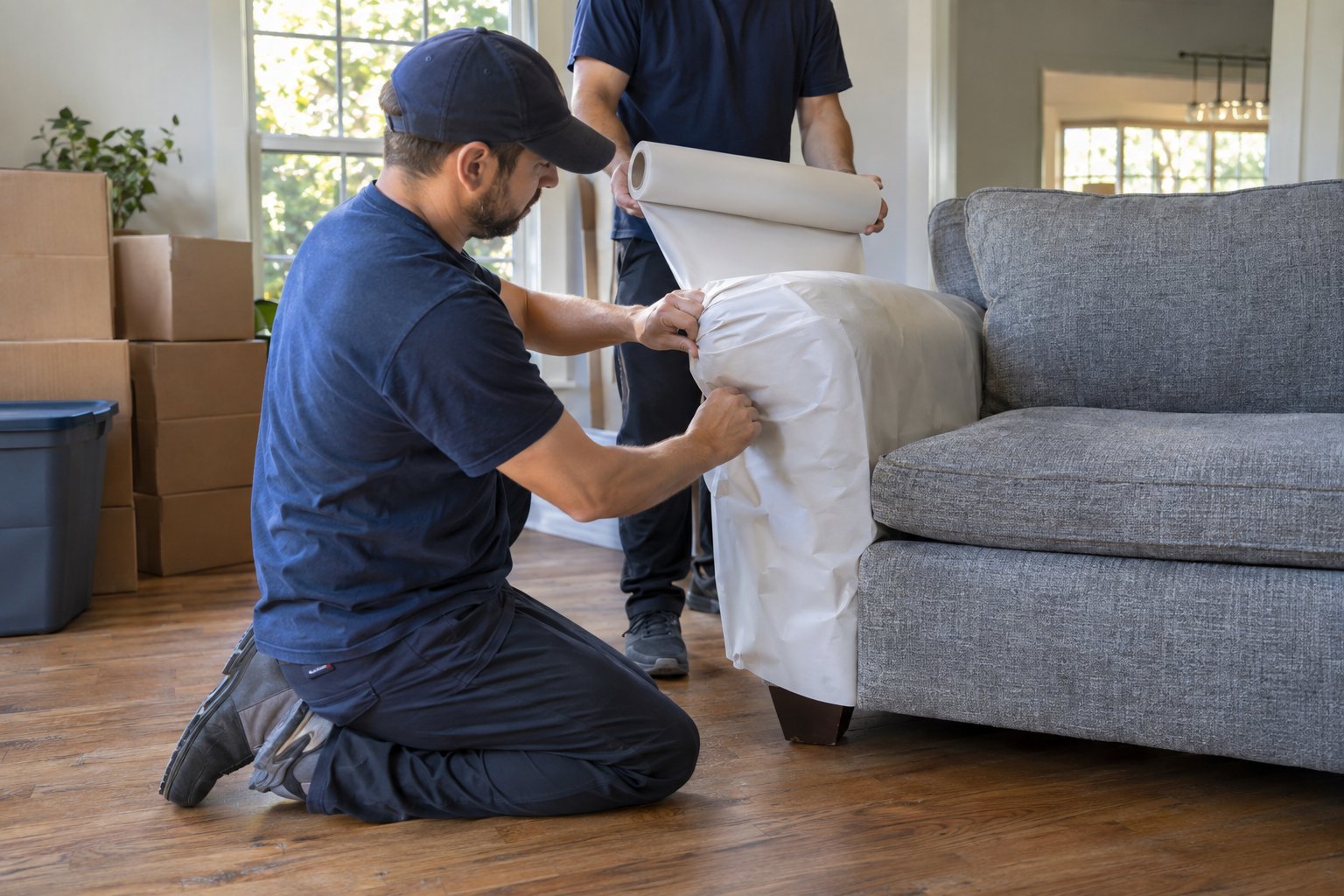
Packing boxes means carrying each one short distances as you fill it, then a bigger carrying effort on moving day itself when everything goes to the truck at once. A portable container shifts some of that effort earlier: you're loading heavier items directly into the container yourself, often up a ramp, rather than handing them off in two separate stages.
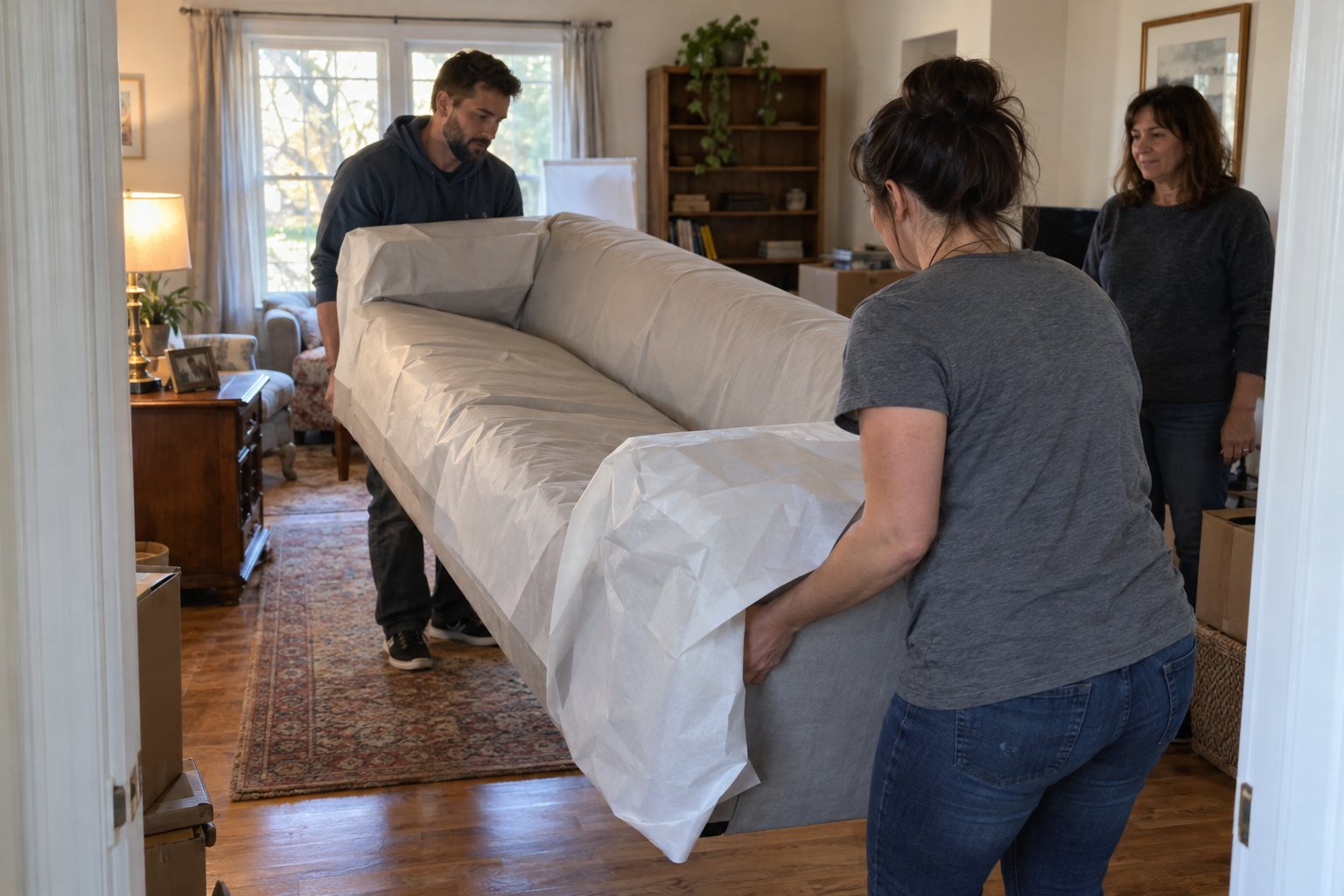
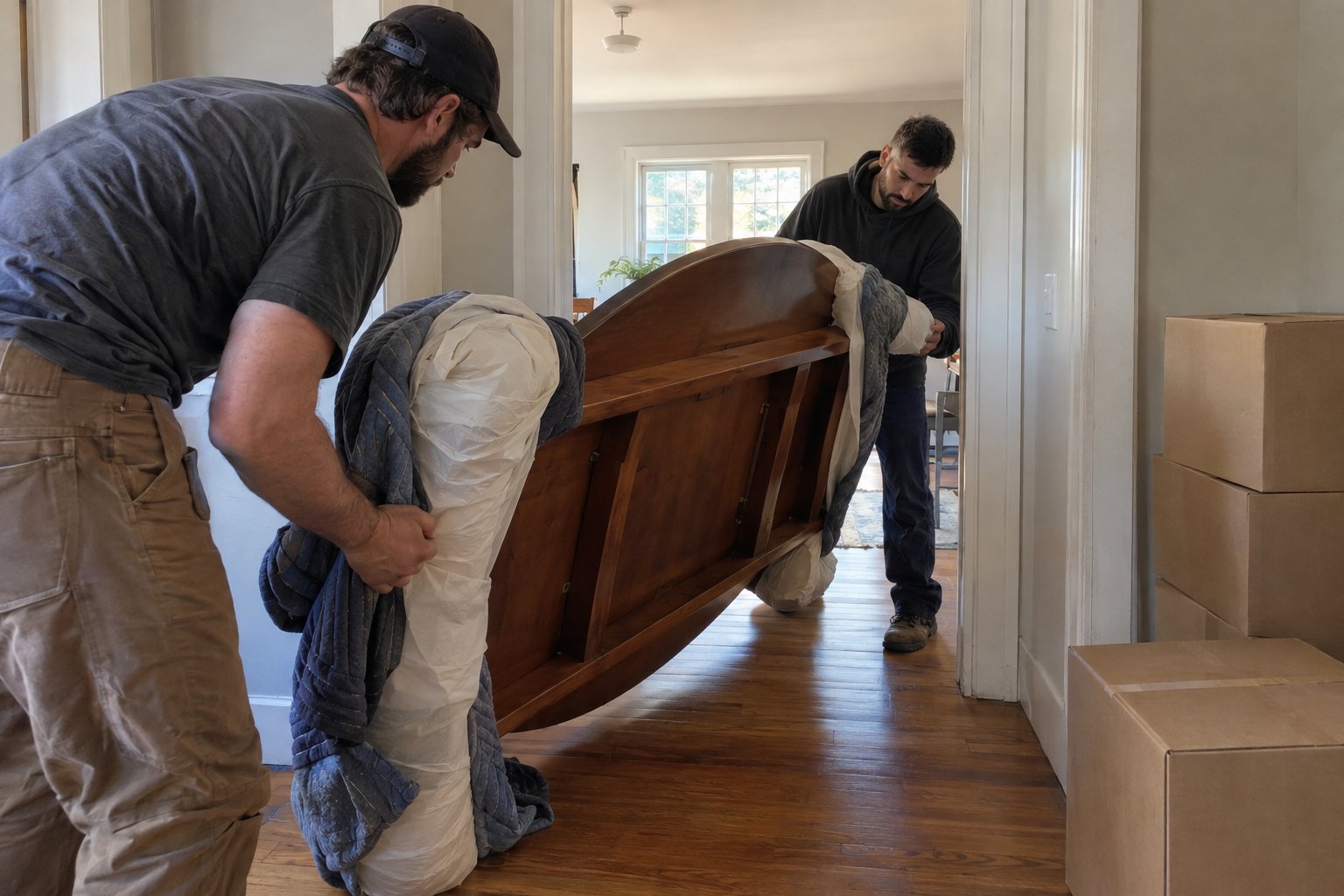
Neither option removes the lifting. Boxes split the physical work into smaller chunks spread across weeks, which is easier on your back day to day but adds up over time. A container concentrates the heavy lifting into the loading window, which can feel more intense but is over sooner. If you have stairs, a steep driveway, or furniture you can't maneuver alone, that effort matters more than the format of the container.
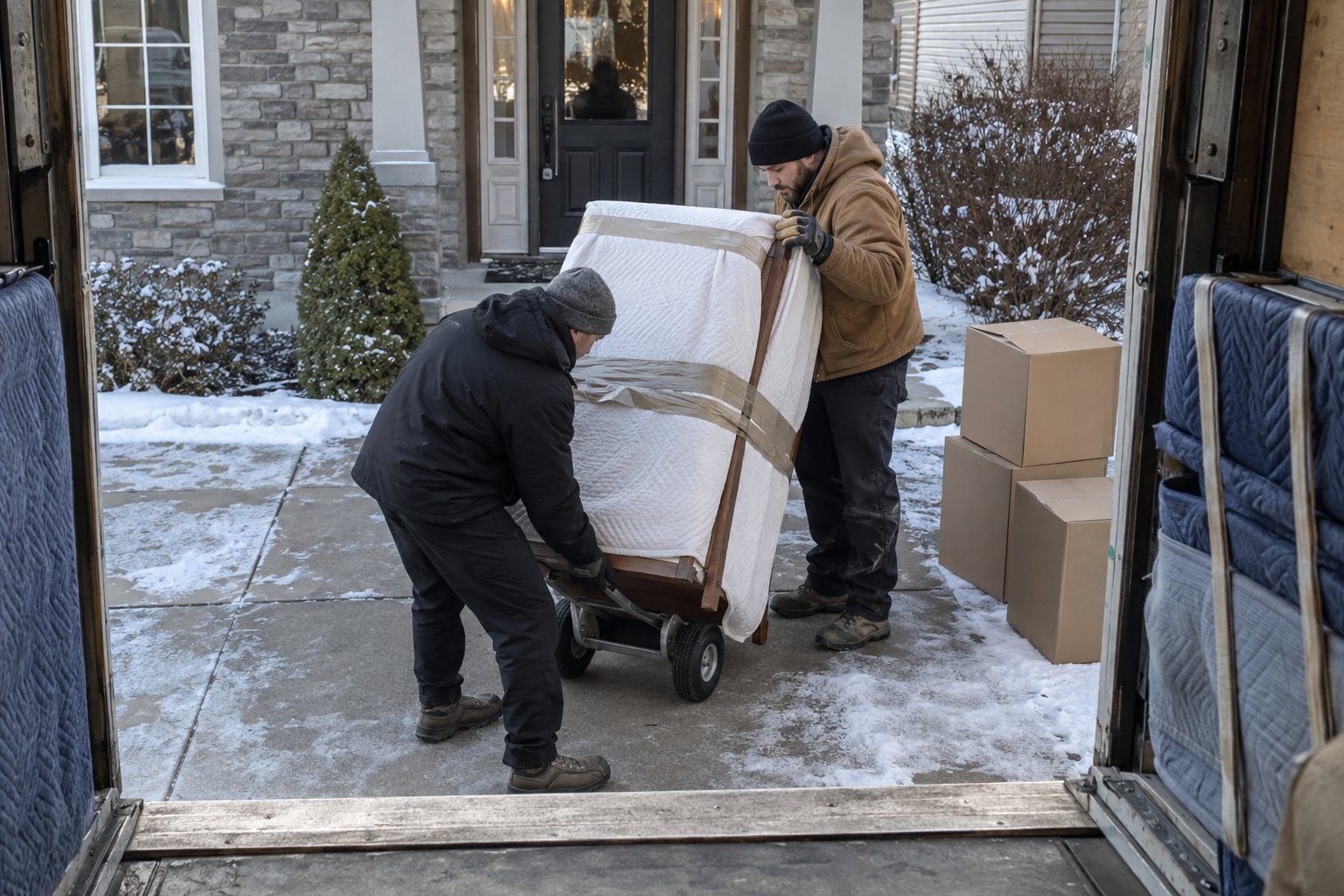
Boxes carry a packing risk: anything wrapped loosely or boxed without padding can shift or crack in transit, especially in a truck making multiple stops. A portable container carries a loading risk: items packed without bracing against the container walls can shift as the container itself is lifted, driven, and set back down, sometimes more than once before it reaches you.
Fragile items need the same care either way, individual wrapping, filled gaps, and nothing heavy stacked on something delicate. The difference is in how the container moves. A moving truck generally travels directly to your new address. A portable container may sit, get lifted onto a flatbed, and get repositioned, which means anything inside needs to be secured as if the whole box could tip on its side, because at some point it likely will.
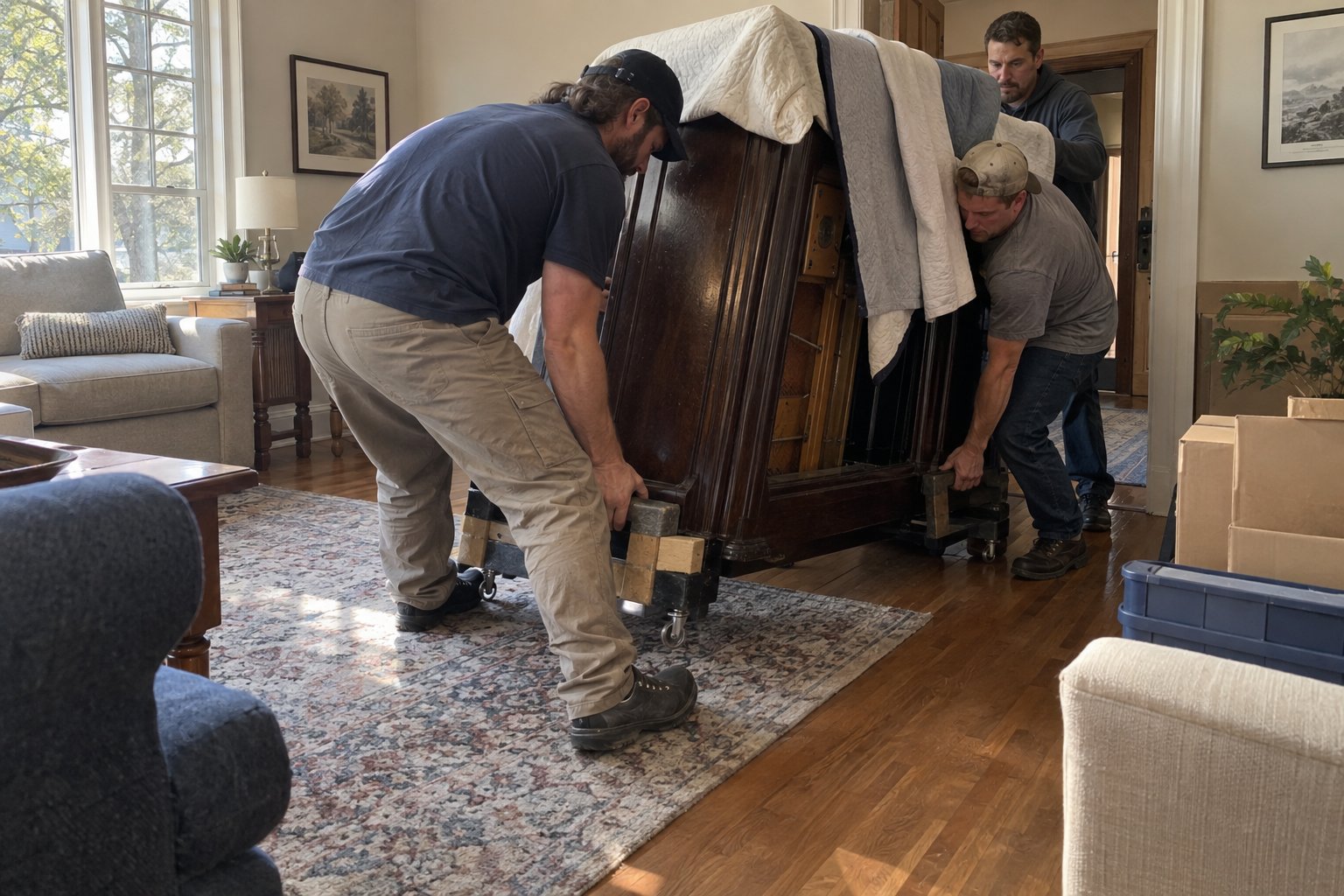
If you're also moving something that needs more than careful wrapping, like a safe or a hot tub, that's a separate category of planning covered by a specialty moving service built around oversized or delicate items.
For a studio or one-bedroom move, a portable container is often more space than you need, and you'll still pay for the full rental window even if you finish loading in an afternoon. Boxes plus a one-day loading push tend to fit a smaller move better, since you're not committing to a container sitting on your curb or driveway for days.
Portable containers earn their keep on larger moves, especially ones with a gap between move-out and move-in dates. If you need somewhere for your things to sit for a stretch between addresses, a container functions as temporary storage without a separate pickup and drop-off. For a shorter gap or a smaller volume of items, a short-term storage option paired with standard boxes is usually the simpler setup.
Boxes suit anyone packing on a flexible timeline, moving a smaller household, or moving locally where a truck can make more than one trip if needed. They also suit anyone who wants to sort and label as they go, since a box system makes it easy to keep a room's contents together and track what's packed and what isn't.
If your move is a short distance, boxes also mean you're not paying for a container to sit anywhere. The whole process compresses into pack, load, drive, unload.
A container suits a longer-distance move, a move with an uncertain closing or lease date, or a household with enough volume that one consolidated load makes more sense than several truck trips. It also suits anyone who wants their belongings parked and secured on their own property until a set pickup day, rather than racing to finish packing the same morning a crew arrives.
If your move involves a gap between homes, a container's built-in holding period can double as your bridge, instead of arranging separate storage and a separate move date.
For a typical local or regional move with a firm date on both ends, boxes loaded directly onto a truck are usually the simpler path: less equipment to coordinate, no rental window to plan around, and more flexibility if your packing runs ahead of or behind schedule. A portable container makes more sense when your dates aren't aligned yet or your volume is large enough that consolidating it once, on your own timeline, outweighs the convenience of boxes.
If you're unsure which fits your situation, a written quote based on your home's size and your move distance can help you compare what each setup would actually involve for your specific list of rooms and furniture.
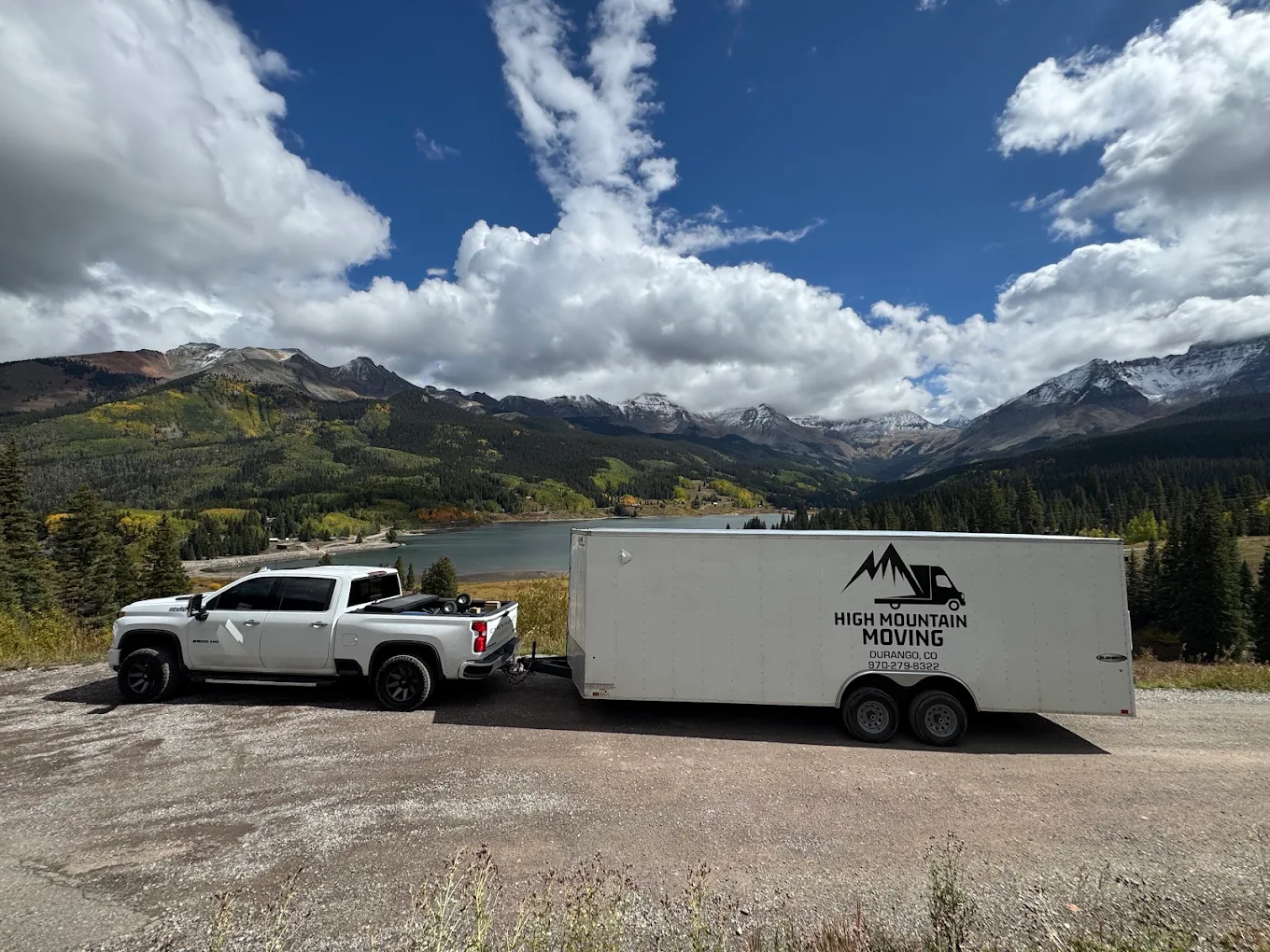
Whichever you choose, lock in your move date before you commit to a container rental window or a packing timeline, since both are built around a fixed schedule. If you're moving through Durango, CO or out toward Telluride, CO, give yourself extra lead time around seasonal weather, since a container sitting outside or a loaded truck making mountain passes both benefit from a buffer day either direction.
Once you've picked a format, update your mailing address with USPS early so forwarded mail catches up to you regardless of which moving method you choose. That step is independent of boxes or containers and is easy to forget once the physical packing takes over your attention.
Planning your move? Request a quote from High Mountain Moving.
Yes. Many households pack fragile or everyday items in boxes and load bulkier furniture directly into a container, as long as everything inside the container is braced so it can't shift when the container is lifted or repositioned.
It depends on your home's size and how much you're bringing, but most people underestimate. Start collecting and packing boxes earlier than feels necessary so you're not taping and filling the last few the morning everything needs to be loaded.
Check with the container provider directly, since policies vary, but it's worth planning to be home for both the drop-off and pickup so you can confirm placement on your property and do a final walkthrough before it leaves.
Let the crew know ahead of time which items are going into the container versus which are being boxed separately, and point out anything that needs bracing or extra padding once it's inside so nothing shifts in transit.
It can be, since many container rentals include a holding period between pickup and delivery. That built-in gap is useful if your new address isn't ready yet, though you should confirm how long the provider allows the container to sit before delivery is required.
From Durango to communities across Southwest Colorado, High Mountain Moving is here when you need reliable residential, commercial, or long-distance moving services. Request your free quote today.