Written by:
High Mountain Moving Team
Published:
November 4, 2026
Weighing a DIY move against hiring movers for your furniture? Compare time, effort, risk and fit to see which makes sense for your situation.
Deciding whether to hire movers for furniture or handle it yourself comes down to four things: how much time you actually have, how much physical effort you and your helpers can reasonably put in, how much risk you're willing to accept with your furniture and your home, and whether your specific move fits the kind of job that goes smoothly without a crew. Neither option is automatically the right call. It depends on what you're moving, how far, and who's available to help.
This isn't a question with one correct answer for everyone. A studio apartment with a friend's pickup truck is a different situation than a four-bedroom house with a china cabinet and a walk-up on both ends. The goal here is to walk through the real tradeoffs so you can match the choice to your actual move, not a generic rule.
A DIY move almost always takes longer than hiring movers for the same furniture, because you're doing every task sequentially instead of with a trained crew working in parallel. Renting a truck, recruiting help, loading, driving, unloading, and returning the truck can easily stretch a single piece of furniture into most of a day when a crew would have it loaded and moved in a fraction of that time.
If your schedule is tight, such as a closing date, a lease turnover, or a work start date, the time difference matters more than it seems like it should in the planning stage. Movers also tend to work in a set order they've done hundreds of times, which cuts down on the stopping and restarting that eats up hours in a DIY move.
If you have a flexible weekend and no hard deadline, the time cost of DIY is less of a problem. You can spread the work across a day or two without anything suffering for it.
Moving furniture yourself means you and whoever you've recruited are doing all the lifting, carrying, and maneuvering, and that effort doesn't scale down just because you're tired by the third hour. Dressers, sofas, mattresses, and large tables are awkward as much as they are heavy, and awkward is often what causes an injury or a dropped corner, not raw weight.
Ask yourself honestly who's actually going to be carrying furniture down stairs or through a narrow hallway. "A couple of friends" sounds like enough help until someone has to cancel the morning of, and you're left trying to walk a sofa around a landing by yourself.
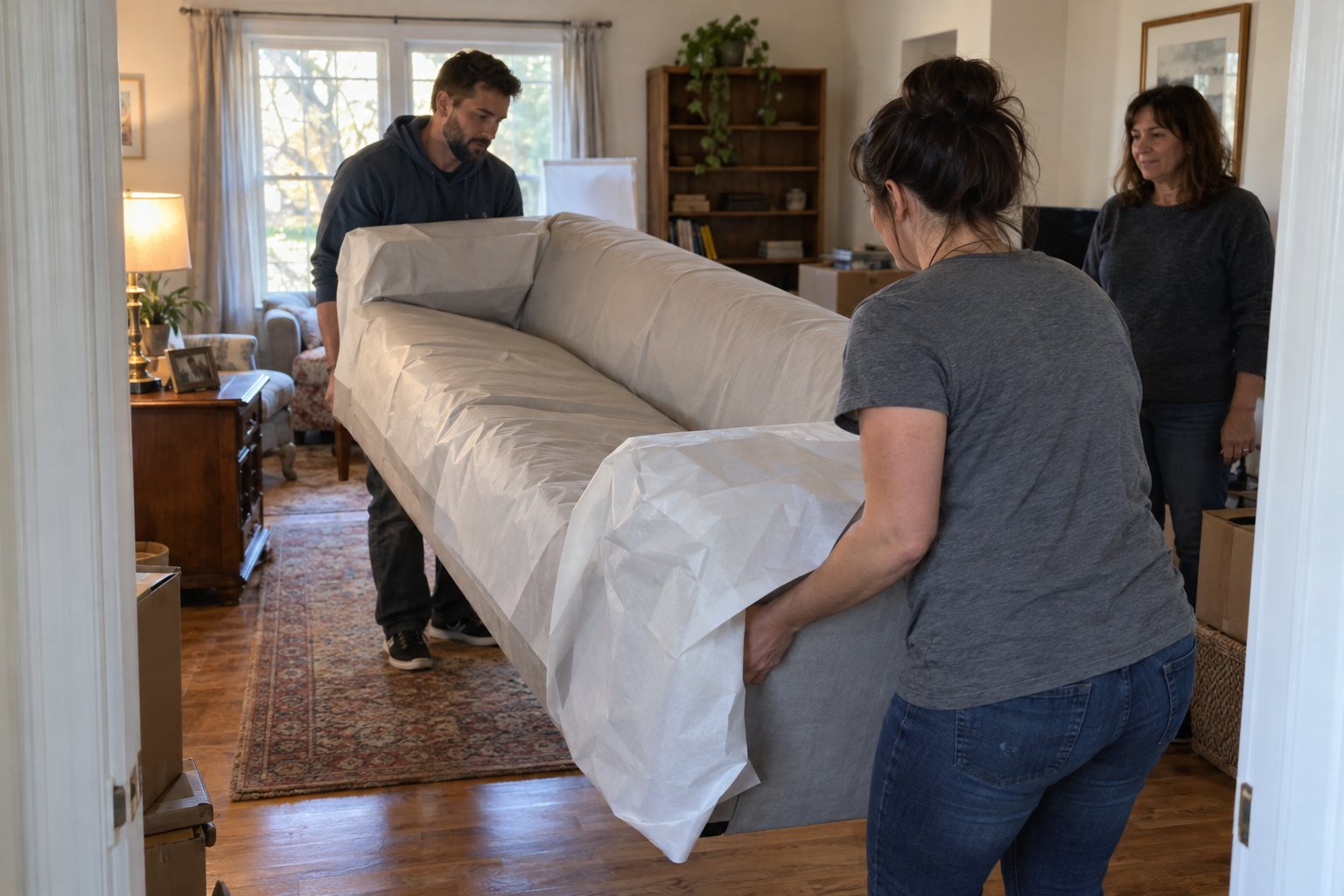
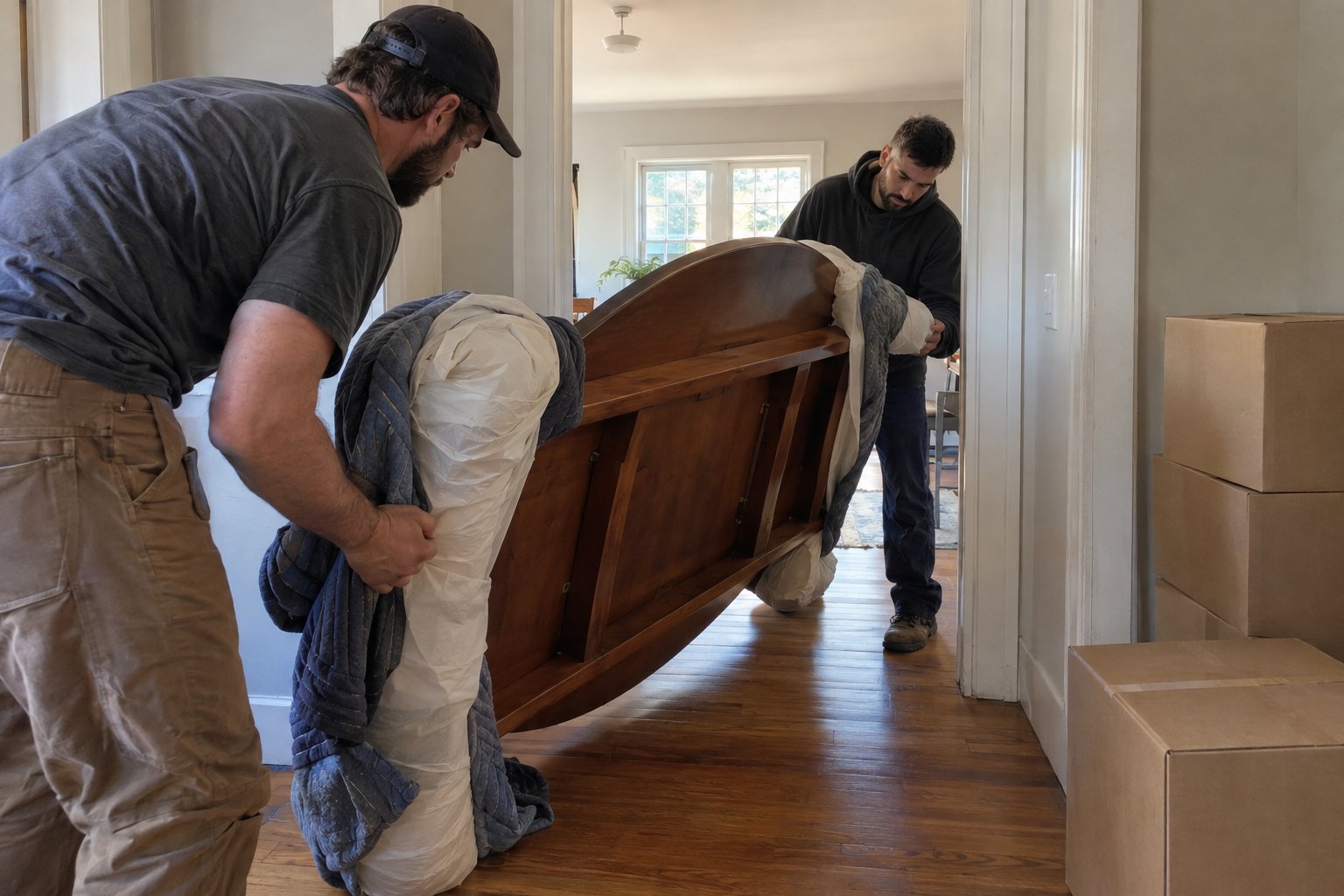
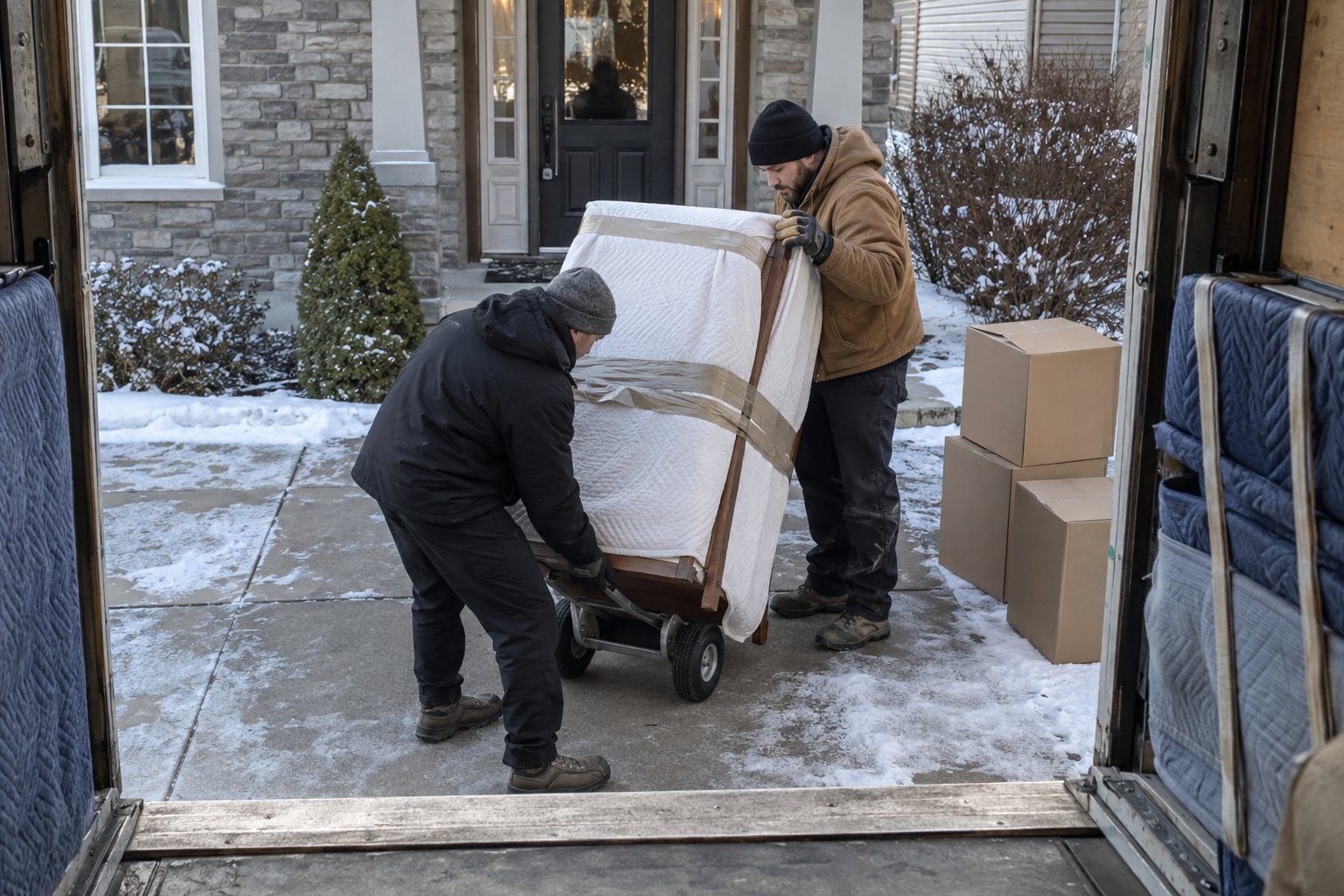
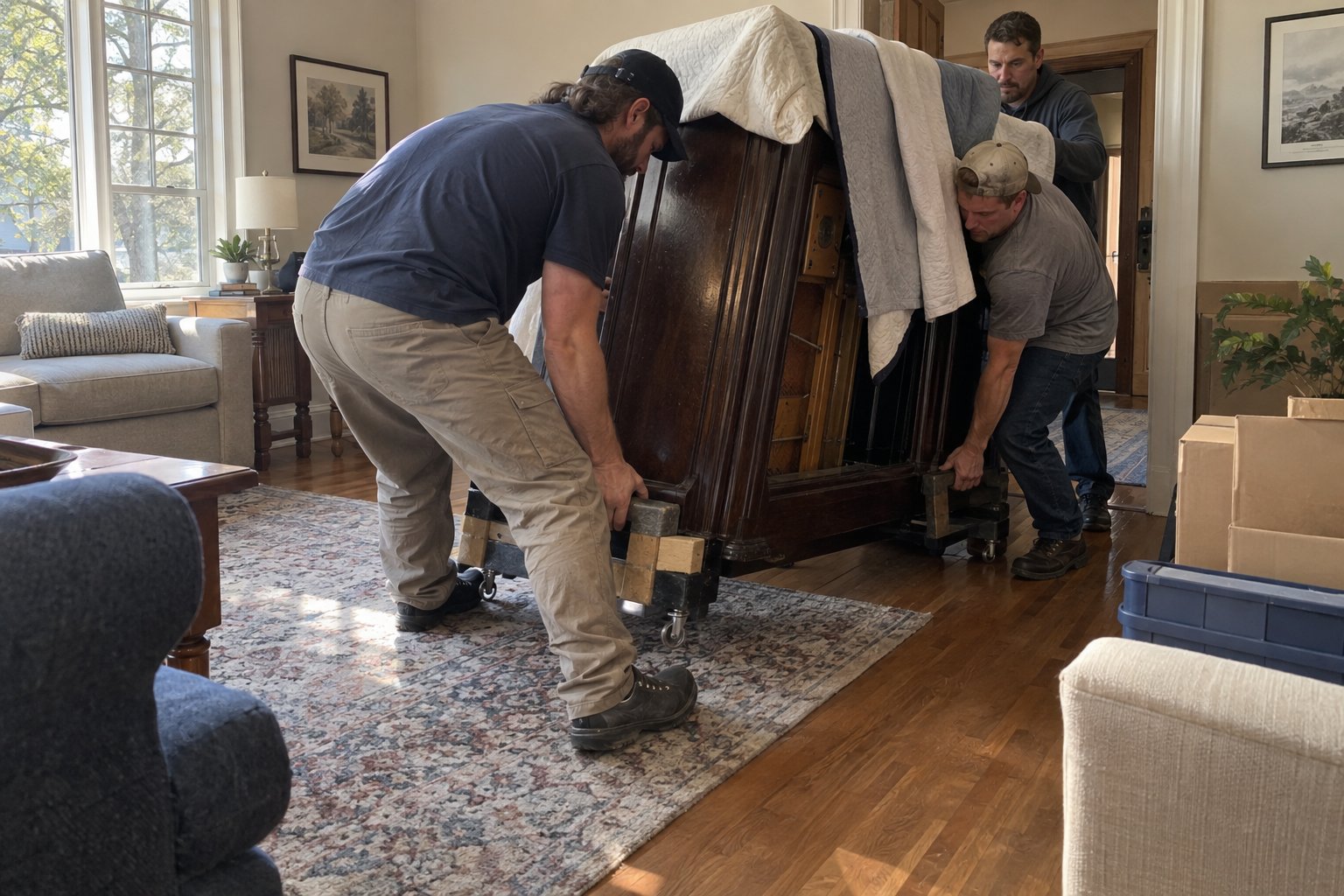
Hiring movers removes that physical burden entirely. A trained crew knows how to use body mechanics, dollies, and straps to move heavy items without the trial and error that makes DIY moving so taxing on your body the next day.
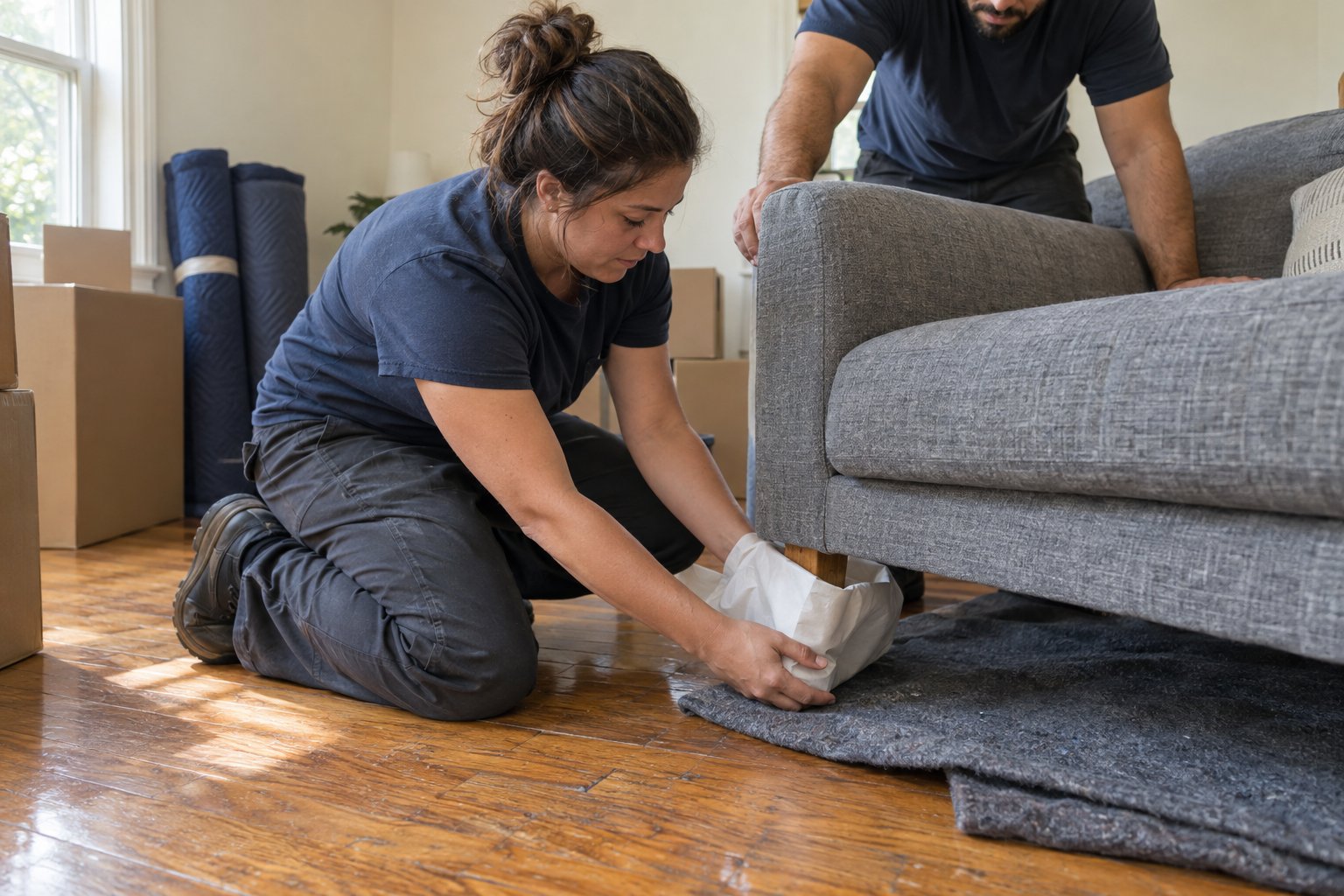
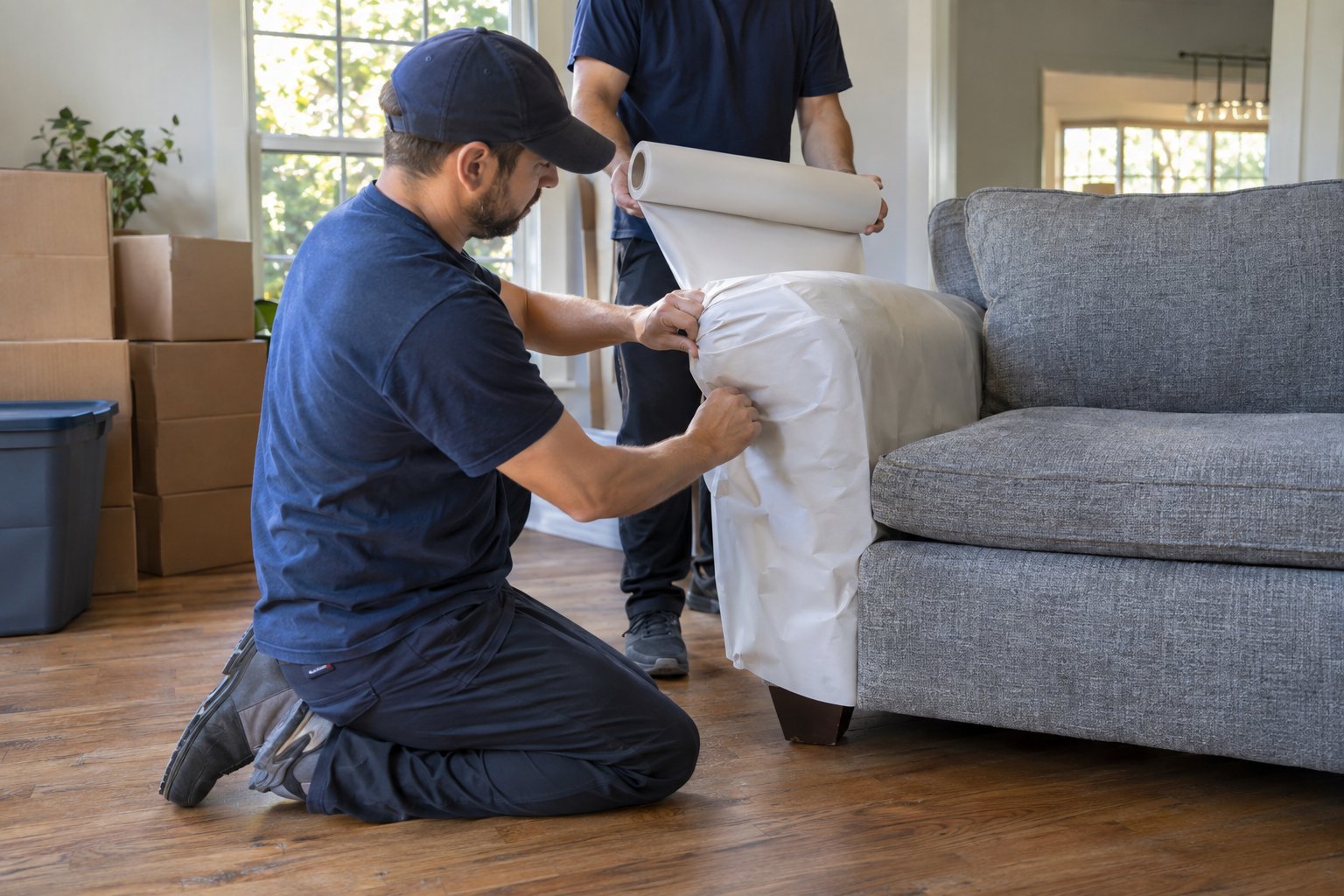
The risk in a DIY move isn't usually that something gets destroyed outright. It's the accumulation of small damage: a scraped doorframe, a dented wall corner, a mattress bent at an angle it wasn't built for. Without the pads, straps, and techniques movers use daily, it's easy to underestimate how much protection a move actually requires until something gets marked up.
Hiring movers shifts a lot of that risk off your shoulders. A trained crew has handled this exact scenario before and knows where damage tends to happen, which cuts down on the guesswork. It doesn't eliminate risk entirely, since anything can happen with heavy items in tight spaces, but it changes the odds in your favor.
If you're moving items that are hard to replace, awkward to carry, or require disassembly you're not confident doing yourself, that's a strong signal to lean toward hiring rather than risking it solo.
For a small move, such as a studio or one-bedroom apartment with mostly lightweight furniture and no stairs, DIY can be a reasonable fit if you have reliable help and a flexible schedule. The time and effort involved are manageable, and the risk is lower when there's less furniture and fewer tight spots to navigate.
That said, even a small move can tip toward hiring movers if you're short on time, don't have anyone available to help, or have even one or two pieces (a bed frame, a large dresser) that are awkward enough to cause problems. You don't need a full house of furniture to justify a crew if the alternative is you and one other person trying to carry a mattress down a stairwell.
DIY moves tend to work best for people with a flexible timeline, a ground-floor or single-story layout, reliable help who can commit to the full day, and furniture that's manageable for two or three people to carry.
Hiring movers tends to make more sense for larger households, moves with stairs or tight hallways, anyone moving without a reliable group of helpers, and situations where the schedule doesn't leave room for a long DIY day.
For most moves involving more than a studio apartment's worth of furniture, hiring movers is the more reliable choice once you weigh time, effort, and risk together. As a rough rule of thumb, plan on needing the better part of a full day of labor for every one or two rooms of furniture when doing it yourself, and that's before accounting for stairs, narrow doorways, or a long drive between homes.
If your move checks even two of these boxes, hiring professional movers for your furniture is usually worth it: a tight schedule, furniture that's heavy or awkward, stairs on either end, or no dependable group of helpers. If none of those apply and you've got a flexible day and willing hands, DIY is still a reasonable way to go.
Whichever direction you lean, it helps to also look at how your furniture will be protected and handled once it's in motion. Our guide on protecting furniture and floors on moving day covers what that actually looks like in practice, whether you're doing it yourself or watching a crew do it.
If you're still undecided, start by listing out your specific pieces of furniture, your timeline, and who's actually available to help on moving day. That list usually makes the decision clearer than trying to weigh the question in the abstract.
It's also worth checking the FMCSA's Protect Your Move resource if you're comparing options for a longer-distance move, since it covers what to expect from a legitimate moving company and how to avoid common pitfalls when hiring help.
If your move includes an apartment with stairs or a tight elevator schedule, our apartment moving service is built around exactly that kind of layout. And if you're weighing whether to disassemble and reassemble furniture yourself, our furniture assembly service handles beds, tables, and other standard pieces so you're not guessing at hardware on move-in day.
If you want a second opinion on your specific situation, a quote conversation can walk through your furniture list and tell you what a crew would realistically handle.
Planning your move? Request a quote from High Mountain Moving.
It's possible for a lighter dresser but risky for most couches, which are usually too long and awkward for one person to control safely through doorways or down stairs. If you don't have a second person available, that alone is a good reason to look at hiring movers for that piece.
Large wardrobes, china cabinets, sectional sofas, and anything that needs to go down a staircase or around a tight turn tend to cause the most trouble in a DIY move. These items are heavy, hard to grip, and unforgiving of small mistakes.
Yes. Letting a moving company know about stairs, narrow hallways, or tight doorways ahead of time lets them bring the right equipment and plan the job properly instead of improvising on the spot.
A rough rule of thumb is to plan on most of a day for every one or two rooms of furniture once you include loading, driving, and unloading. Stairs, long hallways, or a lack of help can stretch that further.
It can be, especially if those items are heavy, awkward, or need to pass through a tight stairwell or doorway. You don't need a full house of furniture to justify professional help if even a couple of pieces are genuinely difficult to carry safely.
From Durango to communities across Southwest Colorado, High Mountain Moving is here when you need reliable residential, commercial, or long-distance moving services. Request your free quote today.