.webp)
Written by:
High Mountain Moving Team
Published:
September 16, 2026
Wondering how to move a piano, hot tub, or gun safe yourself? Learn why these heavy specialty items are riskier than furniture, and when to call in help.
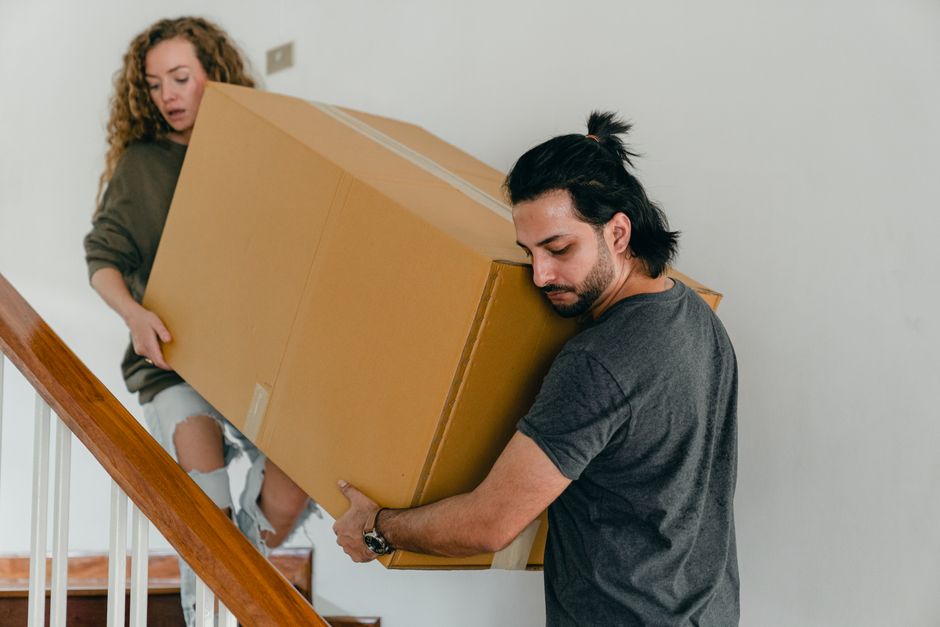
Moving heavy specialty items like pianos, hot tubs, and gun safes takes more than extra manpower. Each one has a different center of gravity, a different failure point, and a different way of getting badly damaged (or damaging your house) if it's handled like an oversized dresser. The right approach depends on knowing what makes that specific item dangerous to move, not on a one-size-fits-all lifting technique.
Most people underestimate these items until they're halfway through a doorway with one. Below is what actually goes wrong with each, and what to check before you attempt any of them without professional equipment.
Specialty items are risky because their weight is concentrated unevenly, their value (or the cost of damage) is high, and standard moving equipment often isn't built for them. A couch that gets dropped a few inches usually survives. A piano, a filled gun safe, or a hot tub dropped the same distance can crack internal components that are expensive or impossible to repair.
These items also tend to be the ones that cause injuries. A 300-plus pound gun safe or a piano's cast iron plate doesn't shift the way a mattress does; if it tips, it tips fast and it tips hard. That combination of high damage cost and high injury risk is why these items get treated as a separate category rather than "big furniture."
Moving a piano safely starts with knowing which type you have, since uprights and grands are moved completely differently. An upright piano is moved upright on a piano board or dolly with straps; a grand piano typically needs its legs and pedal lyre removed and its body wrapped and secured to a skid board before it's moved on its side.
The piano's weight isn't evenly distributed. Most of it sits toward the keyboard end and the cast iron plate inside, so a piano dolly needs to be centered under that mass, not the visual middle of the case. Stairs and thresholds are the two places most piano damage happens, either from the piano tipping on an incline or from a corner catching a doorframe hard enough to crack the finish or knock the piano out of tune for good.
If your piano is going any distance beyond a single flat room, or down even a short flight of stairs, this is one of the few items where we'd genuinely tell most people not to attempt it themselves.
Moving a hot tub means draining and disconnecting it completely first, then moving it upright on a hand truck or dolly system rated for its weight, never on its side or upside down. An empty hot tub can still weigh several hundred pounds, and the acrylic shell and internal plumbing are more fragile than the tub's bulk suggests.
Before it moves anywhere, the tub needs to be fully drained, disconnected from its electrical supply by someone qualified to do that safely, and given time to dry out so trapped water doesn't add weight or leak during transport. The frame underneath is what actually carries the load during a move, not the shell, so any lifting or strapping needs to go around the frame, not the visible sides.
Doorway and gate clearances matter more with a hot tub than almost anything else people move, since there's rarely a way to tilt or angle one around a tight corner the way you can with furniture.
Moving a gun safe safely means treating it as a two-part problem: the safe's extreme weight, and the fact that most residential floors, stairs, and dollies aren't rated for it. A mid-size home gun safe can weigh anywhere from a few hundred to over a thousand pounds empty, which is well beyond what a standard appliance dolly or a couple of people are built to handle.
A stair-climbing hand truck or safe-specific dolly rated for the safe's actual weight is the starting point, not an optional upgrade. Floors need to be checked too: dragging or rolling that much weight across hardwood, tile, or an unsupported section of subfloor can crack or gouge surfaces that furniture would never damage. Ramps and plywood runners help distribute the weight when crossing thresholds or loading a ramp into a truck.
Emptying the safe of firearms and valuables before the move, and transporting those separately, is also standard practice. It reduces the weight you're moving and keeps them out of a situation where the safe could tip.
The common thread across pianos, hot tubs, and gun safes is that none of them forgive a mistake the way ordinary furniture does. Get the technique wrong on a couch and you scuff a wall. Get it wrong on one of these and you're looking at a cracked shell, a ruined instrument, or someone getting hurt.
Before attempting any of them, it's worth confirming three things: the exact weight of the item, the narrowest point it has to pass through (doorway, stairwell, gate), and whether the equipment on hand is actually rated for that weight. If any of those three is unclear, that's usually the signal to bring in help rather than guess.
Hiring movers for pianos, hot tubs, gun safes, and similar items makes sense whenever the item's weight, fragility, or path through your home exceeds what your own equipment and manpower can safely handle. This isn't about convenience so much as risk: the cost of a professional move is almost always lower than the cost of a damaged piano, a cracked hot tub shell, or an injury from a tipped safe.
We handle these moves with equipment built for the weight class involved, from piano boards and skid boards to stair-climbing dollies rated for safes and appliances. If you're planning a move that involves one of these items, our specialty moving service is built around exactly this kind of job, and it's worth a conversation before moving day rather than after something goes wrong.
Even if the rest of your move is a simple local move you're handling yourself, it's common to hire movers for just the heavy, high-risk pieces and do the rest on your own. That split approach keeps costs down without putting your piano, your hot tub, or your back at risk.
If you're not sure whether your specific item needs professional handling, our get a moving quote page is a fast way to describe what you're moving and get a real answer instead of guessing.
For a short, flat move of a small upright piano, two strong people with a piano dolly can sometimes manage it. Stairs, long distances, or a grand piano almost always call for professional equipment and at least three to four people, since the risk of tipping or dropping increases sharply with any incline.
Yes. A hot tub should be fully drained and given time to dry before it's moved, since trapped water adds significant weight and can leak or shift during transport, throwing off the balance of the tub while it's being carried or loaded.
Home gun safes commonly range from a couple hundred pounds for smaller units to well over a thousand pounds for larger, fire-rated models. The exact weight is usually listed on the manufacturer's spec sheet or an interior plate, and it's worth confirming before assuming any dolly or hand truck can handle it.
Yes, movers who handle specialty items are typically equipped for multiple heavy or fragile items in a single move. It's best to mention all of them when booking so the crew brings the right equipment (piano boards, safe dollies, hot tub straps) for each item rather than improvising on-site.
Yes, this is a common arrangement. Many people pack and move most of their belongings themselves but bring in professional help specifically for a piano, hot tub, safe, or other item that's too risky or heavy to move without proper equipment.
From Durango to communities across Southwest Colorado, High Mountain Moving is here when you need reliable residential, commercial, or long-distance moving services. Request your free quote today.