The Moving Day Checklist: What to Have Ready Before the Truck Arrives

Written by:

High Mountain Moving Team

Published:

November 11, 2026

A moving day checklist covering what to prep the night before, what to set aside, and what to hand off so your crew can start loading right away.

A solid moving day checklist covers three windows: the night before, the first hour crews are on site, and the final walkthrough before you lock up. Miss any one of them and you end up digging through boxes for your phone charger or realizing the bathroom got packed before anyone brushed their teeth. The goal isn't to do more work, it's to do the right small things in the right order so the big work, the actual loading and hauling, goes fast.

This moving day checklist is built around what actually slows a move down: last-minute packing, missing paperwork, and nobody knowing where the essentials bag is. Work through it as a timeline rather than a random list and you'll have a crew that can start loading within minutes of arriving instead of waiting around while you finish taping boxes. Whether you're coordinating a local move across town or a longer haul out of the area, the same prep windows apply.

What Should You Do the Night Before a Move?

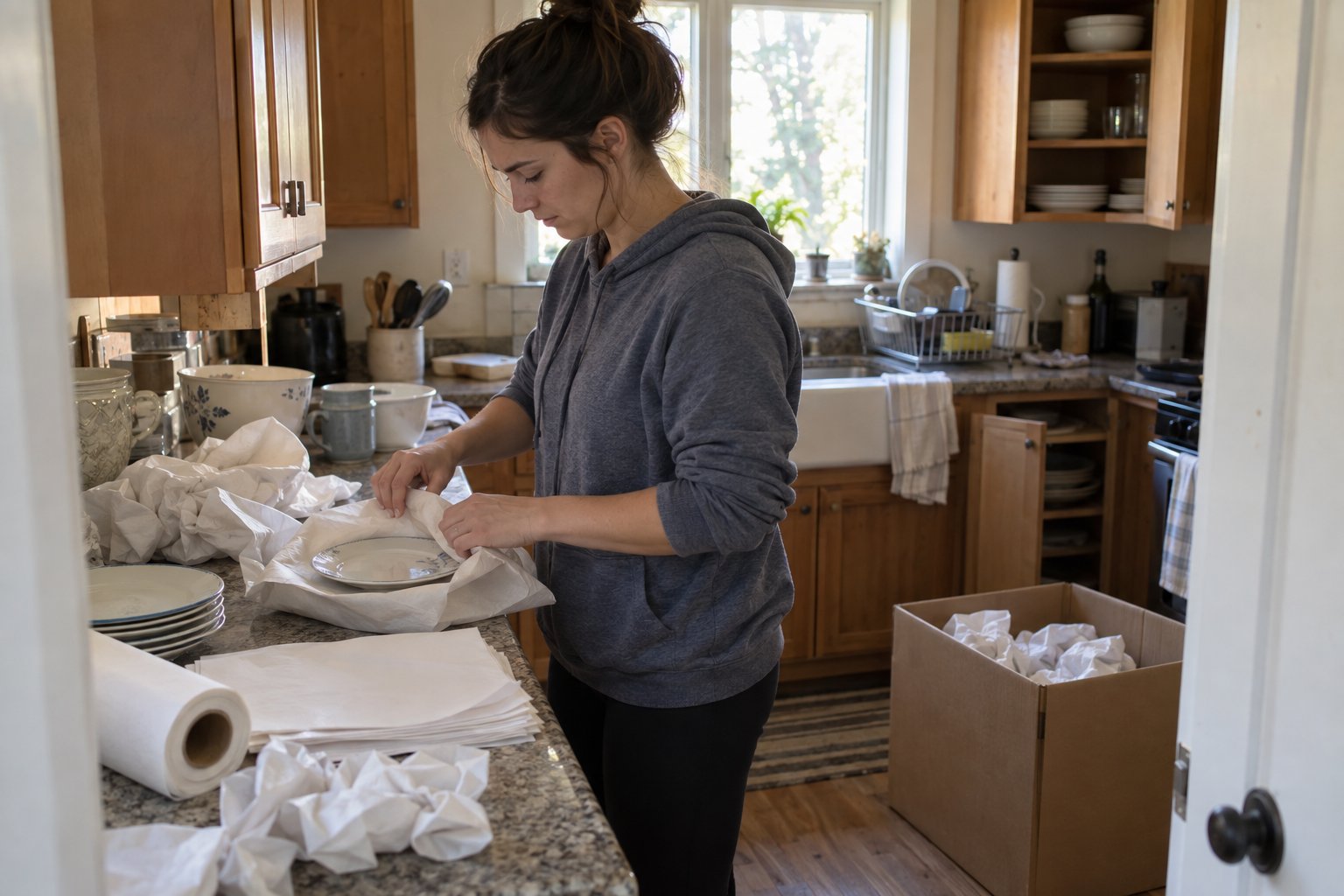
The night before a move is for finishing, not starting. Everything that's going in a box should already be in one, your essentials bag should be packed and set aside, and anything fragile or valuable should be identified and separated from the rest.

  • Finish all packing. As a rule of thumb, plan on needing most of an evening to finish the last room if you've been packing steadily all week. If you're starting from scratch the night before, you're behind.
  • Pack your essentials bag separately. Toiletries, a change of clothes, medications, phone chargers, and any documents you'll need in the first 24 hours. This bag travels with you, not on the truck.
  • Set aside anything the crew shouldn't load. Jewelry, important paperwork, cash, and anything irreplaceable should be in your car, not in a box.
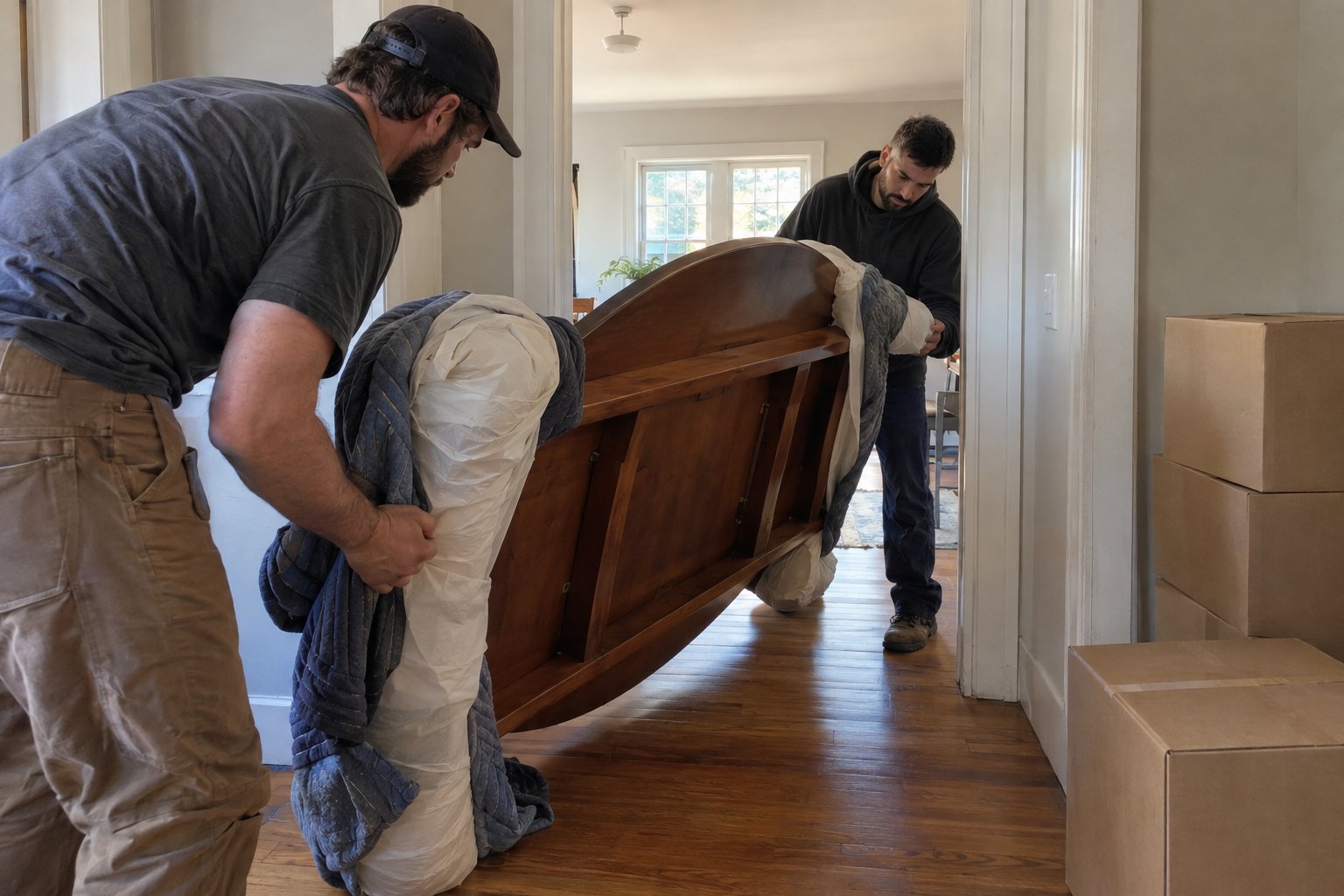
  • Break down what you can safely take apart yourself. Bed frames, shelving units, anything bolted together. It saves time once the crew arrives, though standard furniture like beds and tables can also be handled as part of furniture assembly and disassembly services if you'd rather leave it to them.
  • Confirm the details. Double-check your start time, address, and any special instructions you gave when you booked, and follow this against your full moving prep checklist to make sure nothing earlier in the process got skipped.

What Should Be in Your Moving Day Essentials Bag?

Your essentials bag should hold everything you'd need if the moving truck were delayed by a full day. That's the test: pack for the gap, not just the drive.

  • Medications and a basic first aid kit. Don't pack these in a box you can't immediately find.
  • Phone chargers and a portable battery. You'll be using your phone constantly for directions, confirmations, and photos of the empty house.
  • A change of clothes and basic toiletries for each person, enough for a day or two.
  • Snacks and water. Moving day runs long and meals get skipped.
  • Key documents: lease or closing paperwork, ID, and any paperwork related to the move itself.
  • Basic tools: a screwdriver, box cutter, and tape, for anything that needs a quick fix at either end.

What Should You Have Ready Before the Crew Arrives?

Before the crew arrives, clear a path and have a plan, not a packed house still mid-chaos. Crews work fastest when they can walk in and start carrying, not when they're waiting for you to finish prepping a room.

  • Clear walkways inside and out. Move rugs, toys, and anything that could trip someone carrying a dresser.
  • Reserve parking for the truck close to your door if you have any control over it, especially if you're in a building with limited loading space. If you're moving out of an apartment or condo, our apartment moving guidance covers common loading-dock and elevator timing issues worth sorting out in advance.
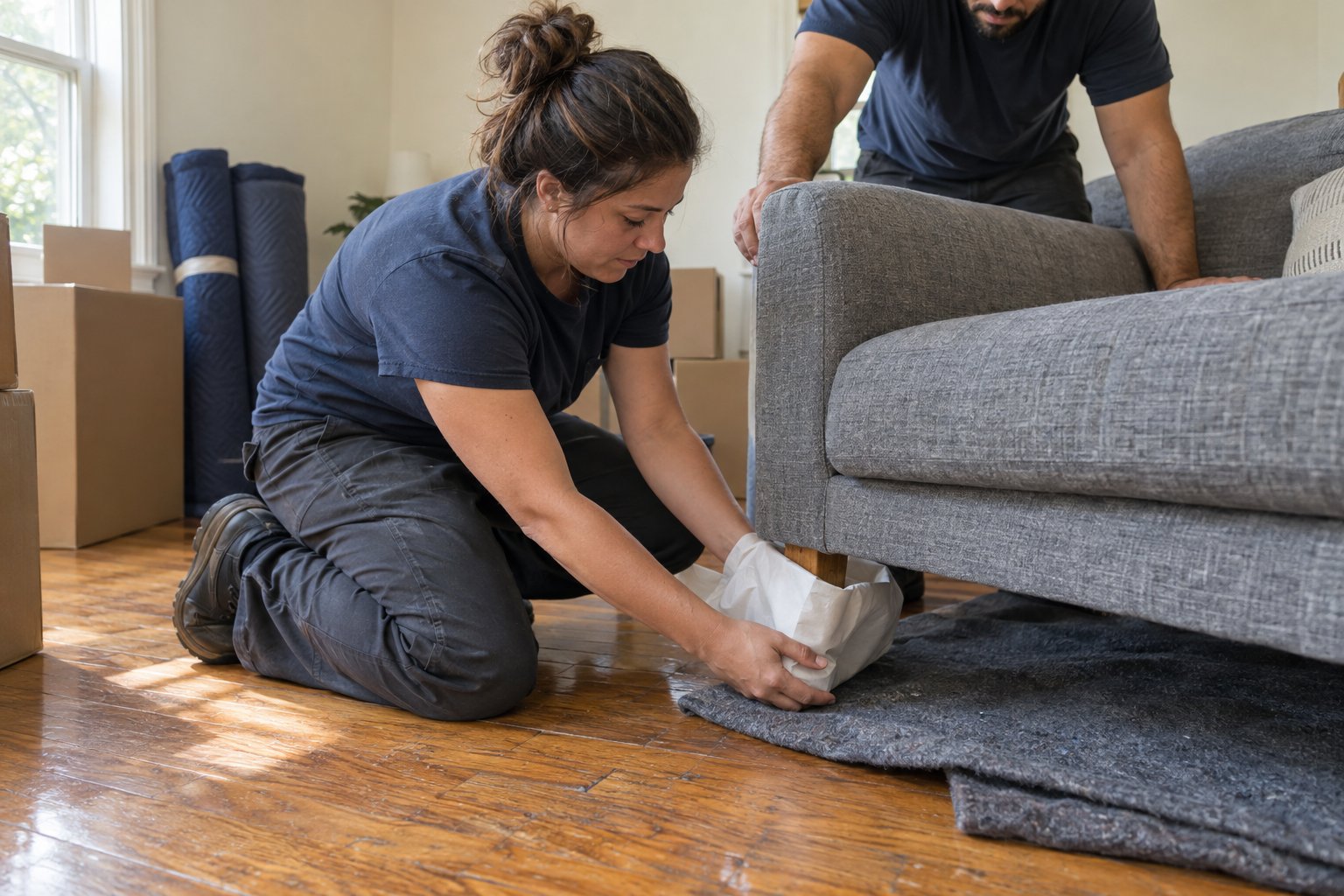
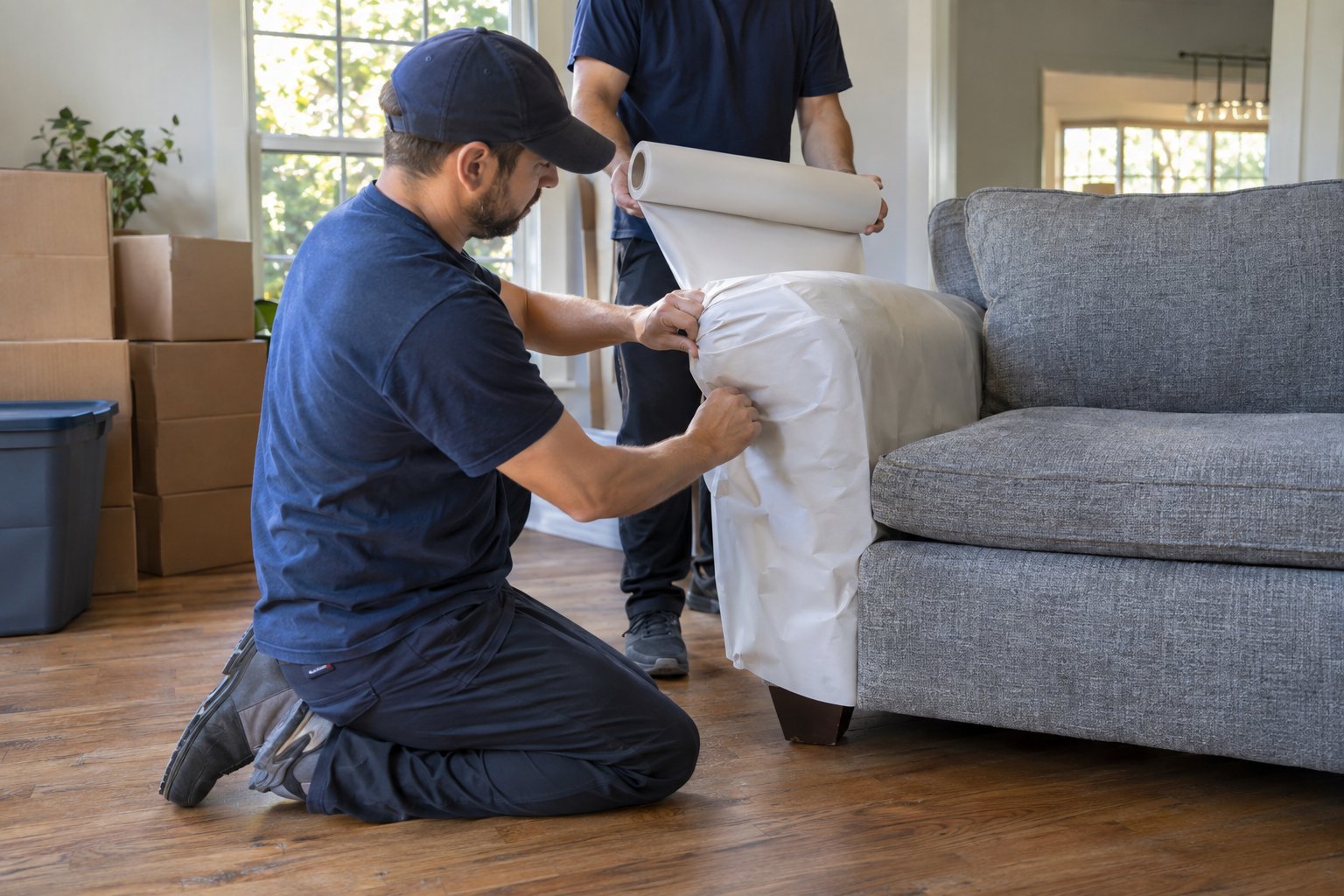
  • Protect floors and doorframes you're worried about, or flag them for the crew the moment they arrive so they know where to be careful. If this is a concern for your move, it's worth reading up on protecting furniture and floors on moving day ahead of time.
  • Label boxes by room, not just "kitchen" but which kitchen if you have more than one destination for items, like storage. If you need somewhere to hold items temporarily, storage solutions can bridge the gap between move-out and move-in dates.
  • Have a point person. One adult should be available to answer questions and make calls, not splitting attention between three things at once.
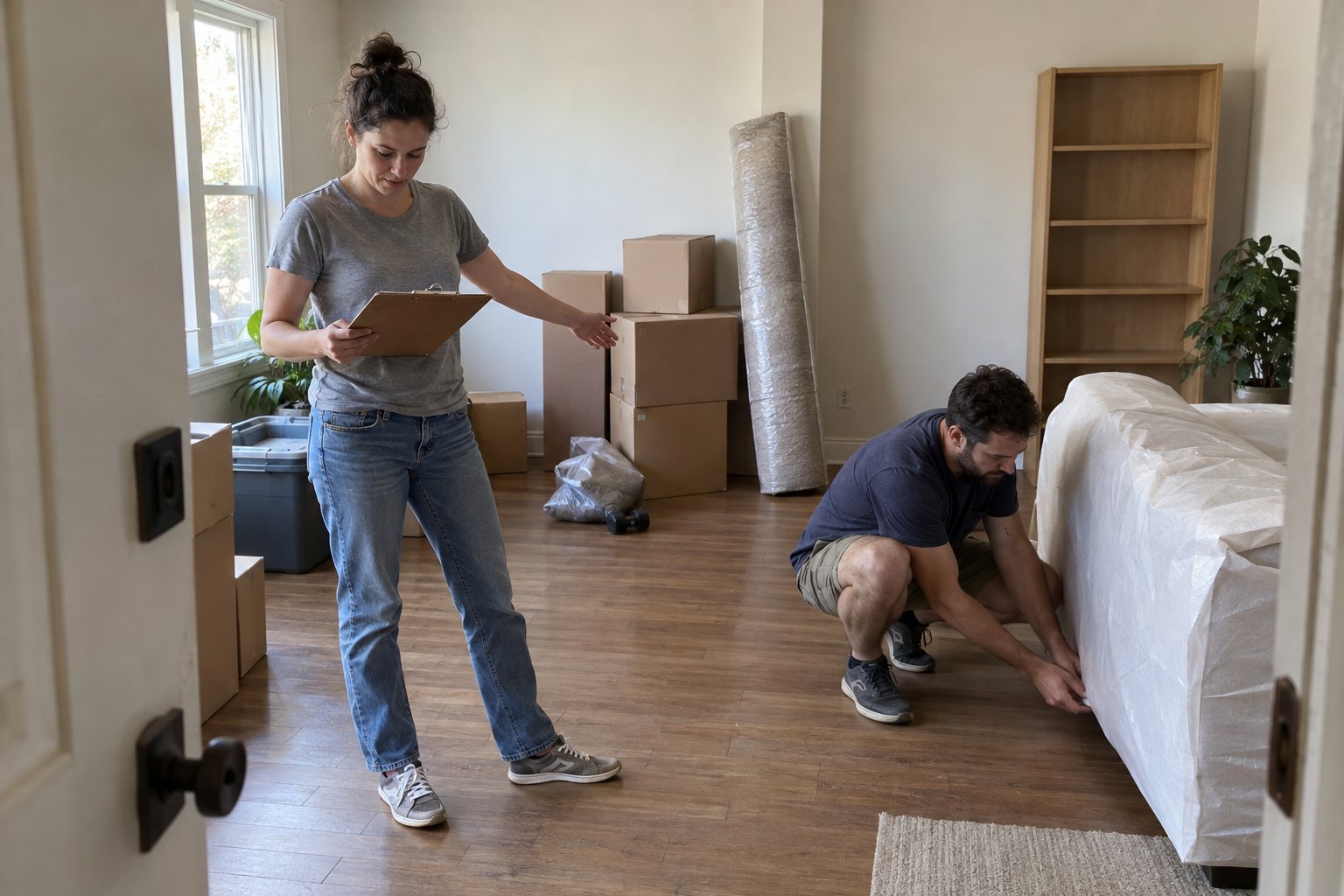
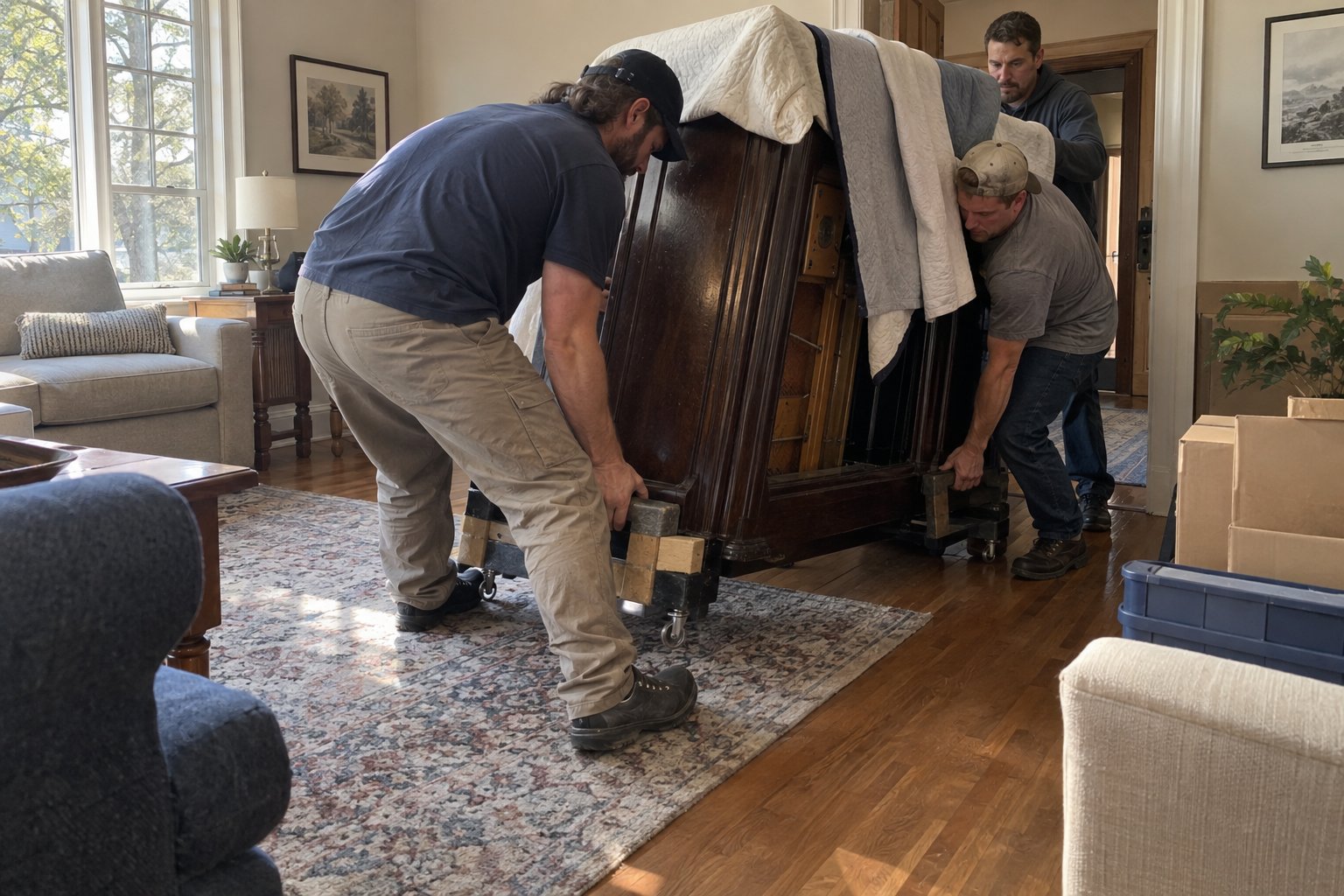
  • Walk the crew through the home before anything gets lifted. A two-minute walkthrough telling them what's fragile, what's heavy, and what order you'd like things loaded in saves time later.

What's the Right Order to Load a Truck?

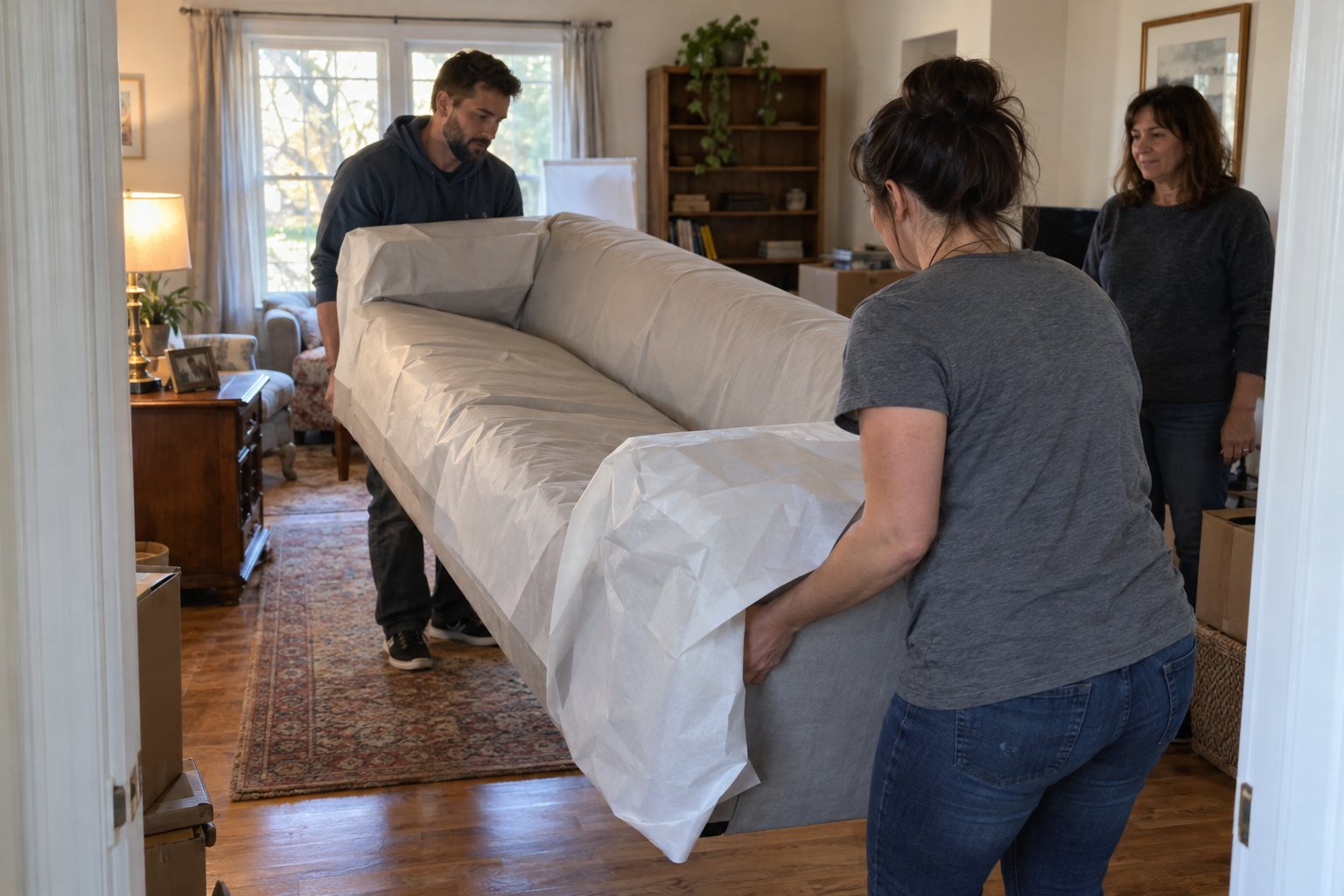
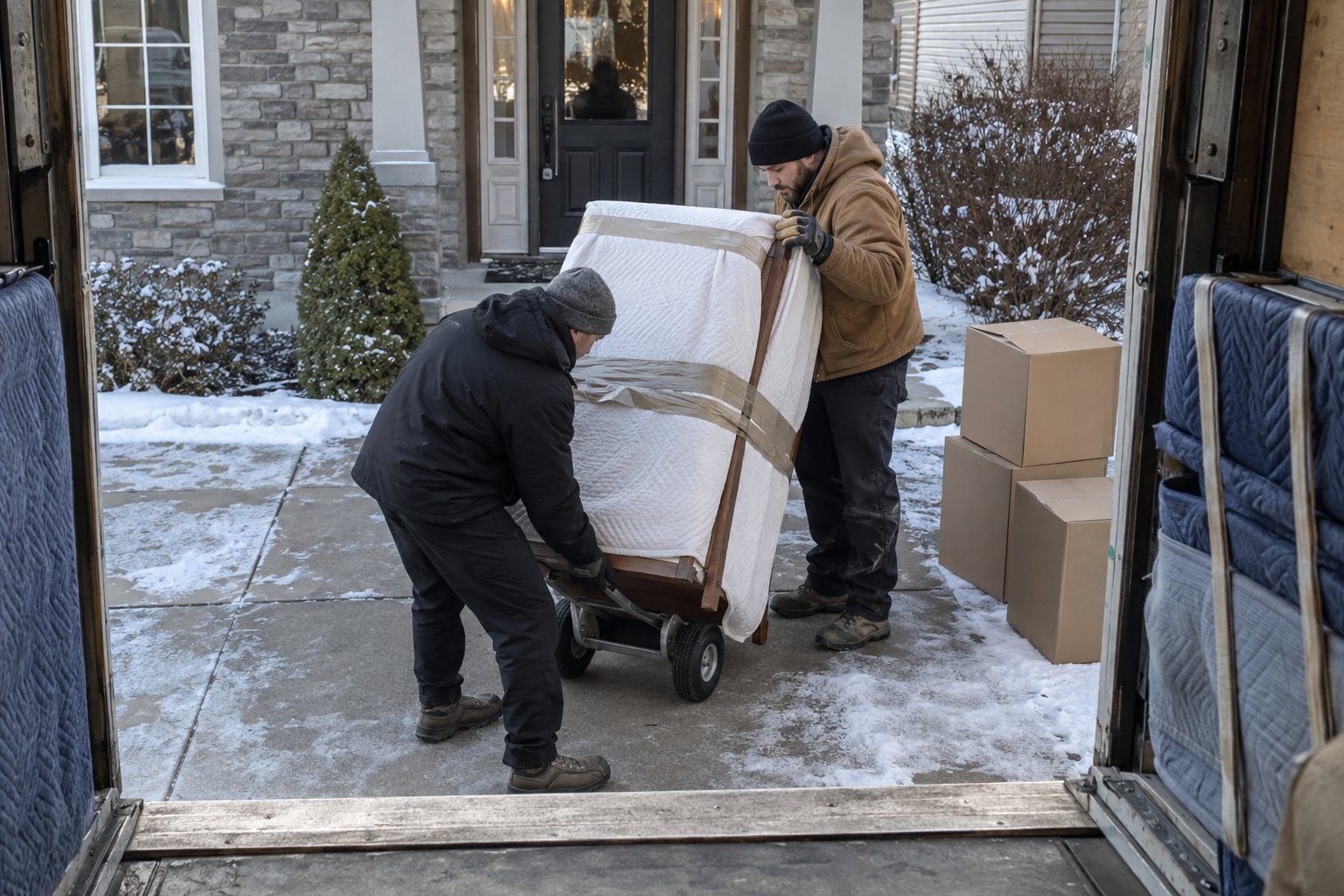
Furniture and heavy items generally go in first, followed by mid-weight boxes, then anything fragile or frequently needed loaded last so it comes off first. A good crew will already follow this logic, but telling them your priorities up front, like which boxes you want accessible at the new place, helps them plan the load accordingly.

If your move involves a long drive or an overnight stop, this order matters even more, since nothing should need to be unpacked from the middle of a packed truck just to get to one box.

What Should You Do During the Final Walkthrough?

The final walkthrough is your last chance to check every closet, cabinet, and crawlspace before the door locks behind you. Skipping it is how people leave behind the one box that mattered.

  • Open every closet, cabinet, and drawer, including ones you don't normally use.
  • Check less obvious spots: the garage, the attic access, under sinks, behind doors.
  • Confirm utilities and appliances are in the state you agreed to leave them in, if you're moving out of a rental.
  • Take photos of empty rooms, useful for both your records and the move-out condition of a rental.
  • Hand over keys, garage openers, and any access devices as the very last step.

What Should You Do in the First Few Hours at Your New Place?

In the first few hours after arrival, your job is to direct the unload and protect anything that needs special handling, not to start unpacking every box. Have a plan for where large furniture goes before it comes off the truck so it isn't shuffled around twice.

  • Point the crew to each room as items come off the truck, ideally with labeled doorways so nobody has to ask twice.
  • Set up beds first if furniture assembly is part of your service, so there's somewhere to collapse at the end of the day.
  • Locate your essentials bag immediately and keep it out of the shuffle.
  • File your change of address with USPS if you haven't already, since this is easy to forget once the unpacking starts.

Once the truck is empty and the crew has gone, the rest of the unpacking can wait. There's no prize for finishing the kitchen the same night you moved in.

Planning your move? Request a quote from High Mountain Moving.

Frequently Asked Questions

How early should I start getting ready on moving day itself?

Most people do best waking up at least an hour before the crew's scheduled arrival, enough time to do a last walk-through, grab coffee, and make sure the essentials bag and personal valuables are already in the car rather than still sitting in a bedroom.

What should I tell the moving crew when they first arrive?

Walk them through the home before anything gets carried out. Point out anything fragile, anything heavy that needs two people, any stairs or tight doorways, and which boxes or furniture you want loaded last so they're accessible first at the new place.

Do I need to empty dressers and drawers before moving day?

Lighter dressers can sometimes be moved with clothing left inside, but check with your crew first, since weight and stability vary by piece. Heavier dressers and anything with glass or mirrors should be emptied so they're lighter and safer to carry.

What's the best way to keep track of boxes once they're off the truck?

Label each box with the room it belongs in before moving day, and keep a short list of which boxes hold anything fragile or essential so you can find them quickly once they're off the truck and stacked in a new space.

Should kids or pets be at the house during the actual move?

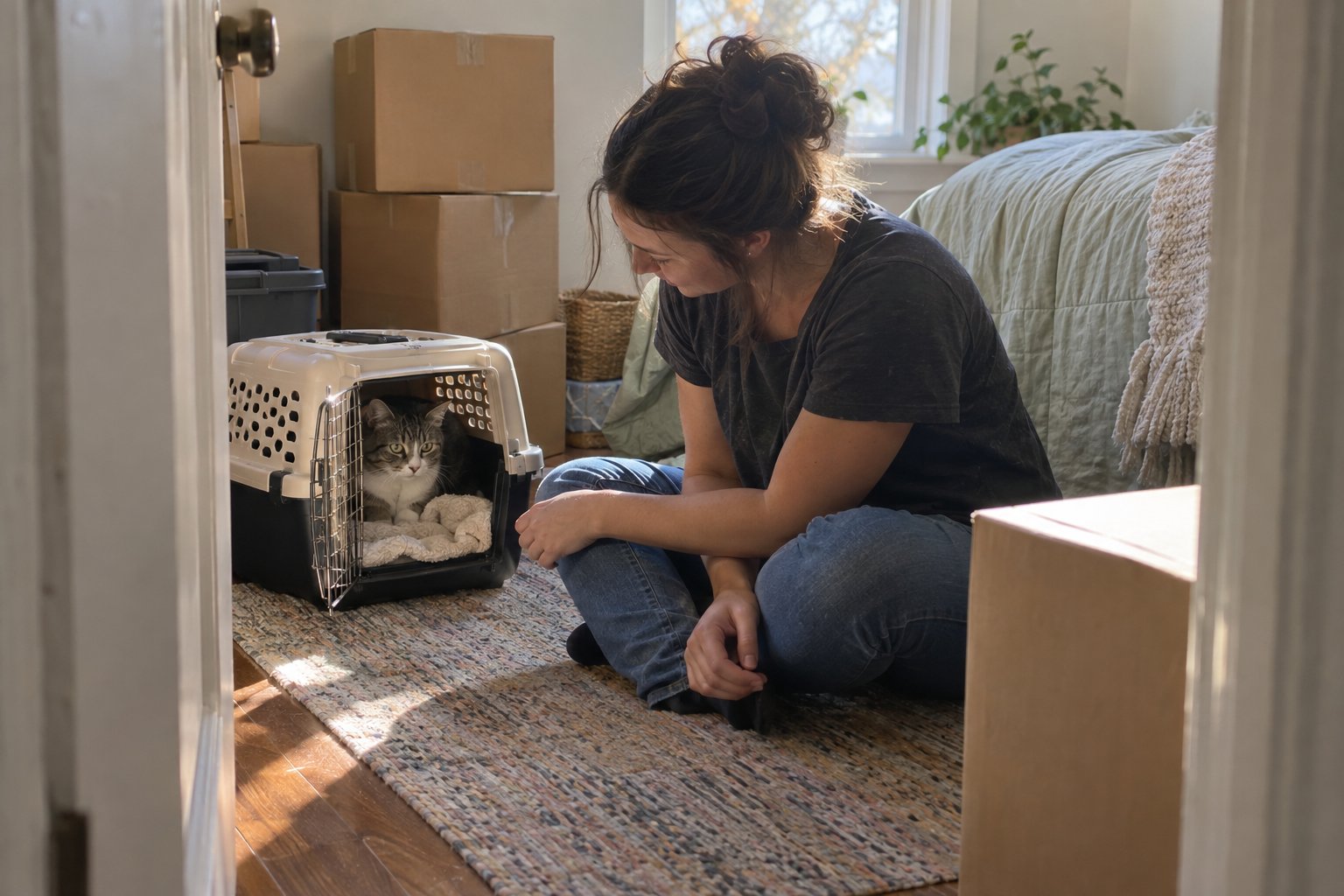
If you can arrange for someone to watch kids or pets elsewhere for the day, it keeps them safe from a busy house full of moving boxes and heavy furniture, and it lets you focus on directing the crew instead of splitting your attention.

Ready for Your Next Move?

From Durango to communities across Southwest Colorado, High Mountain Moving is here when you need reliable residential, commercial, or long-distance moving services. Request your free quote today.