.webp)
Written by:
High Mountain Moving Team
Published:
September 23, 2026
Planning a winter move near Durango or Telluride? Learn how mountain weather affects moving day and how to plan around snow, ice, and closed passes.
Winter moving in the mountains comes down to three things: watching the pass conditions, protecting your belongings from cold and moisture, and building slack into your schedule that flatland moves don't need. A move that would take four hours in July can take twice that once Red Mountain Pass or Wolf Creek Pass gets snow, and the items you're moving react differently to cold than most people expect. None of this means you should avoid a winter move. It means you plan it differently.
If you're relocating in or around Durango, Telluride, Cortez, or Farmington between November and March, here's what actually changes and how to work around it.
Mountain winters add three variables that flat-ground moves don't have to think about: unpredictable road closures on high passes, freezing temperatures that can damage certain belongings, and shorter daylight that compresses your loading and unloading window. Any one of these can turn a routine move into a long day. Together, they mean a winter mountain move needs a different plan than the one you'd use in June.
Elevation matters more than most people realize. A move that starts in Farmington at a mild 40 degrees can end an hour later in Telluride at 15 degrees with snow already falling, even on a day that looked clear on the forecast when you left. Local movers who work these routes year-round build that swing into how they schedule and pack a truck, but if you're coordinating the move yourself, it's worth checking the forecast at your destination elevation, not just your origin.
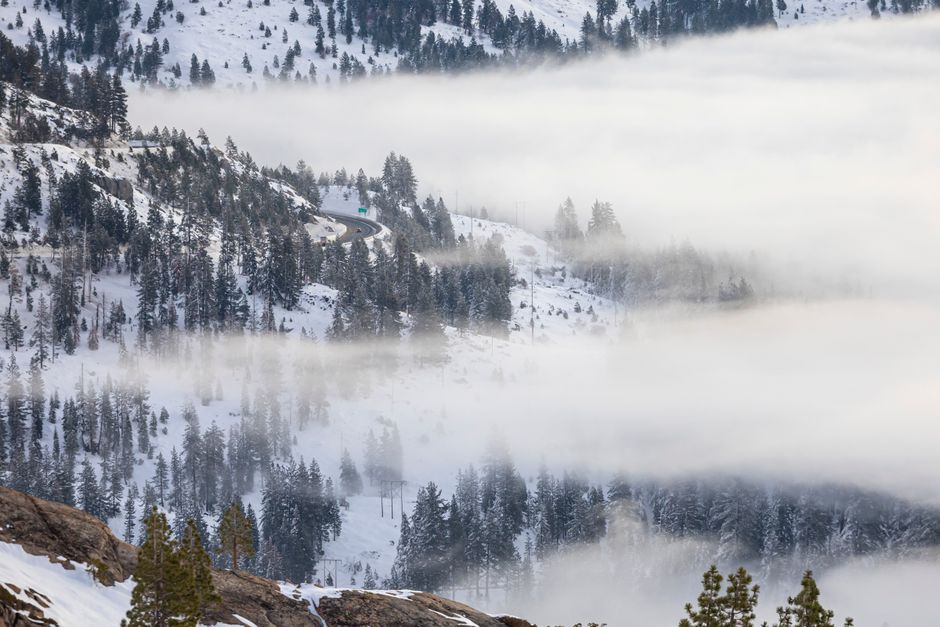
Passes like Red Mountain, Wolf Creek, and Coal Bank can close on short notice for avalanche control, whiteout conditions, or accidents, and a closure can add hours to a route with no real detour. If your move depends on crossing one of these, build a buffer day into your plan rather than scheduling a same-day turnaround.
Before moving day, check the Colorado Department of Transportation or New Mexico DOT traveler information sites for your specific route, not just a general weather app. If you're working with a moving company, ask how they handle a closure mid-route: whether they wait it out, reroute, or reschedule, and how that affects your quote. A company that moves through this region regularly should already have a answer ready, not one they're figuring out on the spot.
Cold and moisture are the two things to pack around in winter: some items can crack, warp, or fail if they freeze, and snow melting off boxes and furniture can soak cardboard and damage what's inside. Plan your packing materials and box placement with both in mind.
Electronics, certain musical instruments, canned goods, liquids (including paint, cleaning supplies, and anything in a bottle), and some plastics can crack or malfunction after hours in a freezing truck. If your move involves an overnight stop or a long haul through cold country, these are the items to keep in your own vehicle where you control the temperature, rather than in the moving truck.
Lay down furniture pads or old blankets at every entry point, both at your old place and your new one, so melting snow doesn't turn hallways into a slip hazard while you're carrying boxes. Wrap upholstered furniture and mattresses in plastic before they leave the house, not just once they're in the truck, since a few minutes of falling snow during loading is often enough to leave a damp spot that doesn't dry before it's boxed back in.
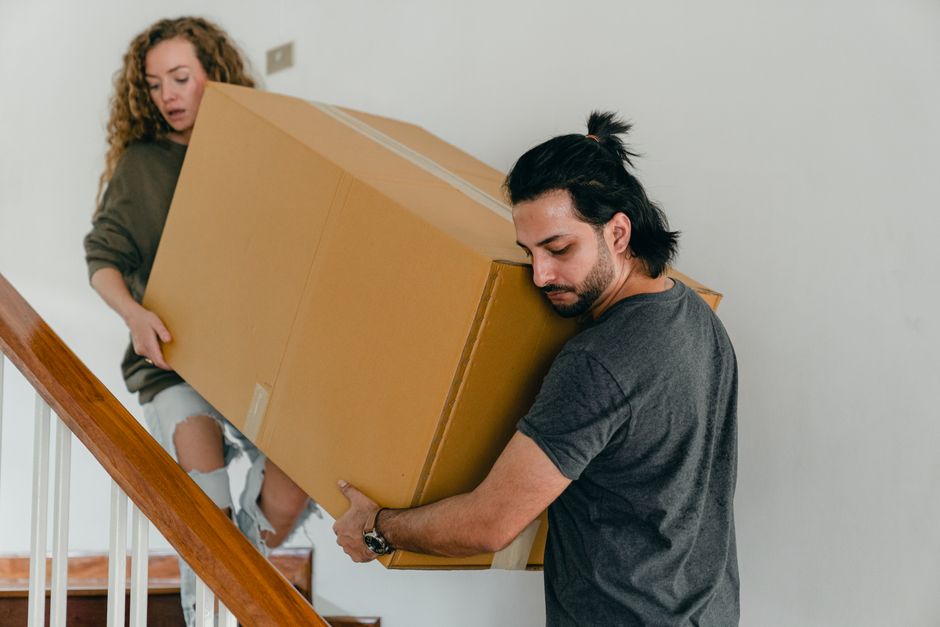
Start earlier than you would in summer. Loading and unloading in the dark on icy steps or a snow-packed driveway is where most winter moving injuries and dropped-item damage happen, so the goal is to have both ends of the move done, or close to it, while there's still usable daylight.
If your move has to cross a pass or cover real distance, that daylight math matters even more. A move that leaves at 9 a.m. and hits a closure or slow traffic can easily end in the dark, on unfamiliar roads, in conditions you didn't plan for. Building in a two- to three-hour buffer against your ideal schedule is a reasonable trade for not unloading a truck by headlamp.
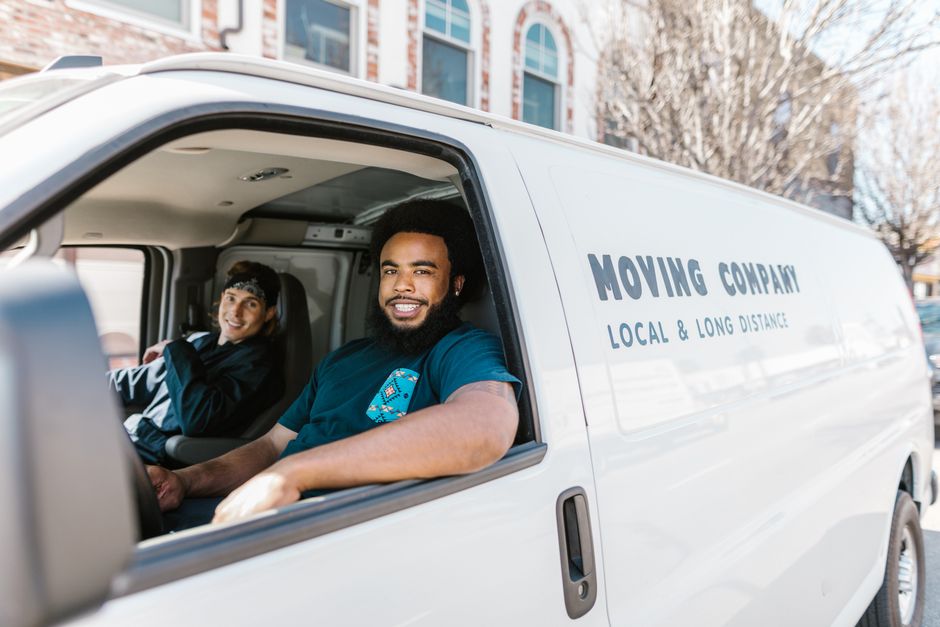
A crew that regularly works this region in winter brings something a DIY move can't easily replicate: local knowledge of which routes and passes are risky on a given day, the right equipment for icy steps and driveways, and a schedule built to absorb a weather delay without ruining your whole day. That's worth real consideration if your move crosses a pass or falls during an active storm pattern.
It's also worth checking whether your mover offers short-term storage as a fallback. If a closure or storm pushes your move past your planned day, having a place to hold your belongings for a night or two beats trying to force a move through conditions that aren't safe. For moves that stay local rather than crossing a pass, a local moving service already familiar with your town's winter road conditions can shave real time and stress off the day.
A workable winter timeline has slack built into every stage, not just the drive. Give yourself extra time to clear snow and ice from walkways before the truck arrives, extra time for loading since gloves and cold hands slow everyone down, and extra time at the destination to deal with an unshoveled driveway or a locked gate that iced over. None of these add up to hours individually, but together they can turn a tight schedule into a missed one.
If you're moving between towns in this region, whether that's Durango to Telluride, Cortez to Farmington, or anywhere in between, checking current conditions for your specific route the morning of the move (not the night before) is the single best habit to build into a winter move.
Ready to plan a move around this winter's weather instead of hoping it cooperates? Get a moving quote and we'll help you build a schedule that accounts for the pass, the forecast, and the daylight you actually have to work with.
Not necessarily. Winter moves in mountain regions are routine and manageable with the right planning, but they take more buffer time for weather, road conditions, and shorter daylight than a summer move would.
There's no single cutoff, but once temperatures drop into the teens or below, wood furniture, electronics, and liquids are at higher risk of cracking or damage if left in an unheated truck for several hours. Keep sensitive items in a temperature-controlled vehicle when possible.
Check the Colorado Department of Transportation (COtrip.org) or New Mexico DOT traveler information sites the morning of your move for your specific route. General weather apps often don't reflect real-time pass closures.
If the forecast includes a significant storm on a route that crosses a mountain pass, it's worth discussing a flexible date with your moving company rather than risking a closure mid-move. Many movers will work with you on rescheduling during active storm warnings.
Pricing varies by company, but winter moves that require extra time for road conditions, snow removal, or delays can sometimes affect your total. Ask your mover how weather-related delays are handled in your quote before moving day.
From Durango to communities across Southwest Colorado, High Mountain Moving is here when you need reliable residential, commercial, or long-distance moving services. Request your free quote today.