.webp)
Written by:
High Mountain Moving Team
Published:
September 2, 2026
Learn how to downsize before a move with a room-by-room system that cuts costs without leaving you regretting what you sold or gave away.
Downsizing before a move works best when you decide what to keep based on your new space and your actual habits, not sentimental attachment or "what if I need it someday." Most people who regret a downsizing decision regret rushing it, not the decluttering itself. A little structure ahead of moving day keeps you from either dragging clutter you don't need or tossing something you'll wish you had kept.
Regret almost always comes from making decisions too fast, too late, or without a clear rule for what stays. When you're exhausted and staring down a deadline, everything starts to feel either "essential" or "junk," and that binary thinking leads to bad calls in both directions.
The fix is starting early and applying the same test to every category of item: does this fit the next home, and have you used it in the last year? Items that fail both usually aren't the ones people miss. Items that pass either one are worth a second look before they go in the donate pile.
Measure your new space first, then work backward from what will physically and functionally fit. This is the single biggest mistake in downsizing: people declutter based on what they own instead of what their new home can hold.
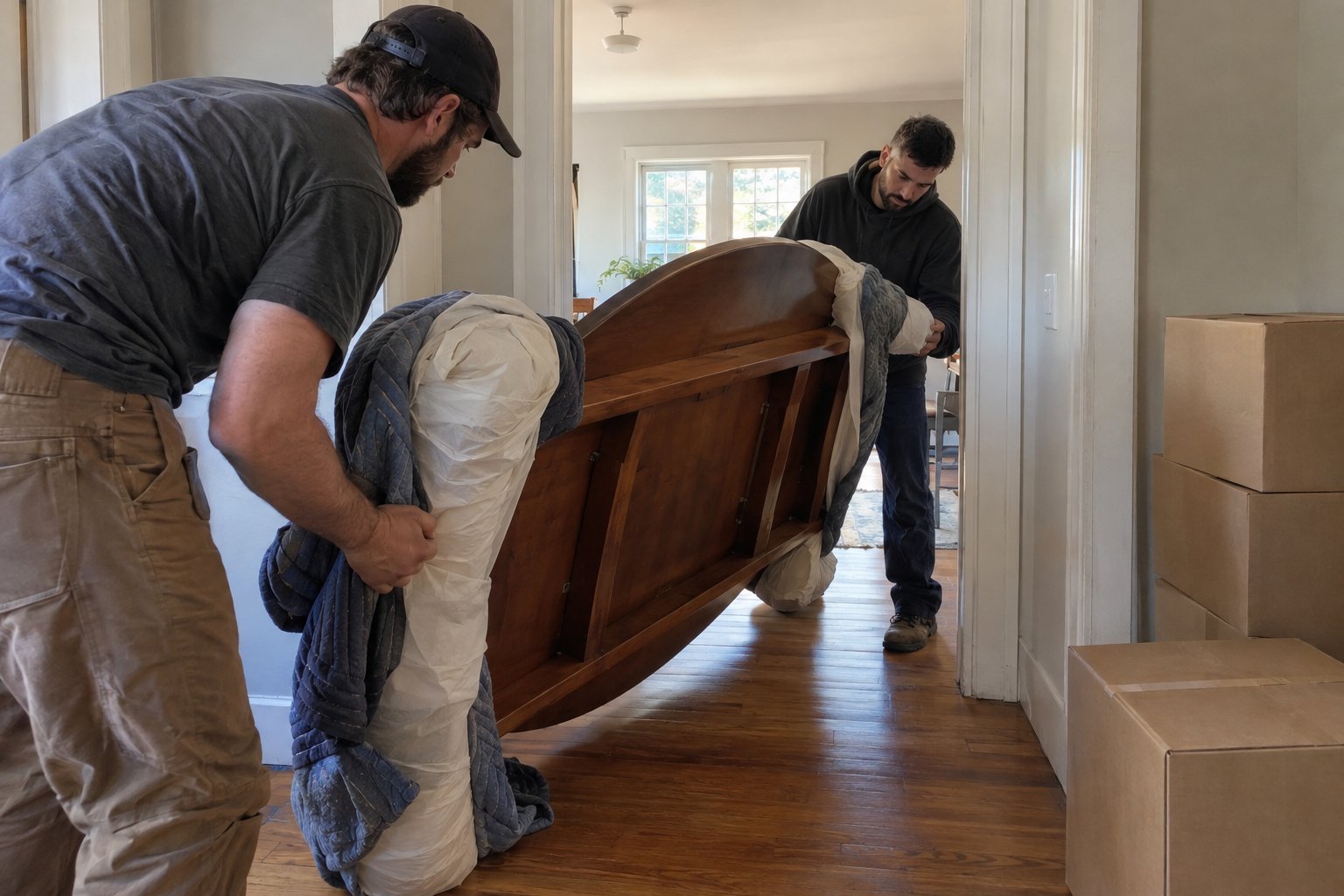
Get rough dimensions of your new closets, kitchen storage, and any shared or reduced spaces like a smaller garage or no basement. If a piece of furniture won't fit through a doorway or won't leave room to move around it, that decision is already made for you. For everything else, sort into three piles: keep, sell or donate, and undecided. Give yourself a firm date to revisit the undecided pile, and if you haven't thought about an item by then, let it go.
Downsizing is the natural time to consolidate duplicates: the second coffee maker, the extra set of dishes, tools you own two of. Keep the better one and let the backup go, especially for anything replaceable cheaply if you ever actually need it again.
Start with categories that are easy to decide on and low in sentimental weight: expired goods, broken items you were "going to fix," outdated electronics and cables, and clothing you haven't worn in a year. Clearing these first builds momentum before you tackle harder categories.
Save the truly hard categories, like family heirlooms, gifts, and anything tied to a specific memory, for last. By then you'll have more practice making these calls and less decision fatigue clouding them.
The right outlet depends on the item's value and your timeline, not just convenience. Selling makes sense for furniture, electronics, and collectibles with real resale value, but only if you have the weeks it takes to list and sell them before your move date.
Donation is faster and still useful for anything in good condition that isn't worth the time to sell. If you're genuinely unsure about a handful of items and don't want to make a permanent call under time pressure, short-term storage can bridge that gap so downsizing doesn't turn into forced decisions you regret later. If you go that route, it helps to know how short-term and long-term storage options typically work before you commit items to a unit you won't revisit for months. That's a reasonable middle ground for a small number of items, not a strategy for avoiding decluttering altogether.
Downsizing works best spread across four to six weeks before your move, tackled room by room rather than all at once. Trying to sort an entire house in a weekend is how good items end up in the donate pile by mistake.
A reasonable pace looks like one or two rooms per week, starting with storage areas, garages, and closets where low-stakes decisions live, and finishing with bedrooms and shared living spaces where sentimental items tend to cluster. Once you know roughly how much you're keeping, that's also the point to get a clearer sense of your moving cost estimate, since a lighter load can change your quote meaningfully.
If you're downsizing because you're moving into a smaller home or a shared living situation, it's worth thinking through what belongs in storage versus what should go straight into your new place. Our guide on loading a moving truck efficiently is worth a read once you've settled on what's actually coming with you, since a lighter, better-sorted load packs differently than a full house.
If downsizing is stalling out because of volume, time, or a house full of decades of belongings, professional support can move things along without you having to make every decision alone. This is especially true for estate downsizing, senior moves, or combining two households into one.
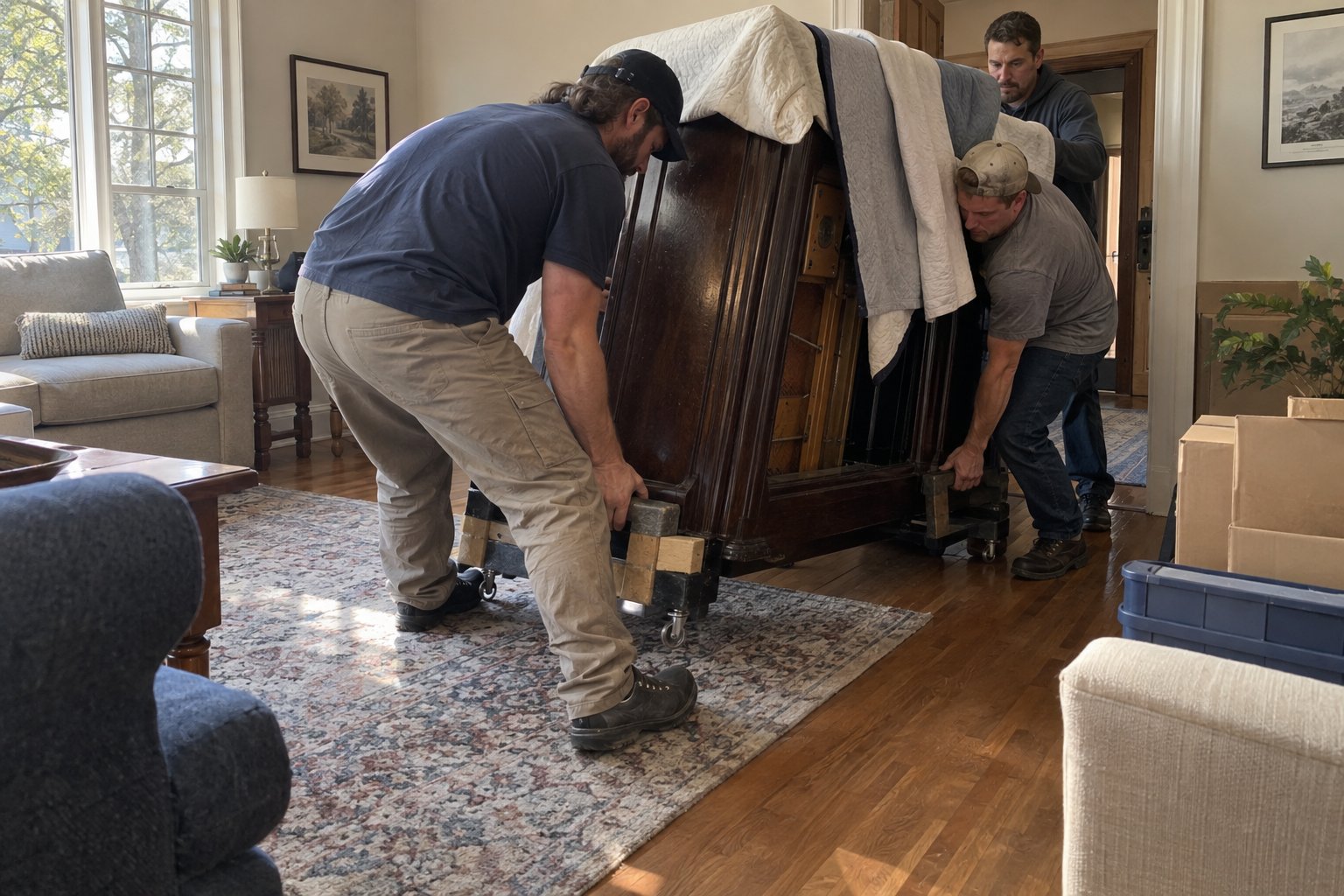
A moving company that offers packing services can also flag what's realistically worth moving versus what will cost more to transport than to replace, which is a useful outside perspective when you're too close to the decision. If your situation involves specialty items like a piano, large art, or antiques, those need separate handling anyway, and it's worth looping in a team experienced with specialty moving before you decide those pieces are staying or going.
Whatever route you choose, starting your sort well before your move date and getting a firm handle on what's coming with you will make the rest of the move, from quoting to loading day, considerably smoother. If you're ready to see what your downsized load will cost, get a moving quote once you have a rough count of what's staying.
Start four to six weeks before your move date if possible. This gives you time to sort room by room, sell items that have resale value, and avoid the rushed decisions that lead to regret.
Sentimental items tied to specific memories, family photos and documents, and tools or equipment that are expensive to replace tend to top the regret list. These are worth sorting last, once you've had practice making easier decisions.
Sell items with real resale value if you have enough lead time to list and sell them before your move. Donate everything else in good condition rather than letting it sit in an undecided pile until moving day forces a rushed call.
Measure your new space before you start sorting, and let those dimensions decide what fits rather than deciding based on what you currently own. Anything that won't physically fit the new layout is an easy first cut.
Short-term storage can work for a small number of genuinely uncertain items, but it shouldn't become a way to avoid decluttering. Set a date to revisit stored items and commit to a final decision by then.
From Durango to communities across Southwest Colorado, High Mountain Moving is here when you need reliable residential, commercial, or long-distance moving services. Request your free quote today.