.webp)
Written by:
High Mountain Moving Team
Published:
August 28, 2026
Wondering how much to tip movers? Get clear, practical guidance on tipping amounts by job size, when cash beats a card, and when tipping isn't expected.
If you're staring at your movers wondering whether you owe them cash on top of what you already paid, the short answer is: yes, tipping is customary in the moving industry, and most people give somewhere between $20 and $50 per mover for a full day of work. The exact number depends on the size of the job, how physically demanding it was, and how the crew handled your belongings. Here's how to land on a fair number without overthinking it.
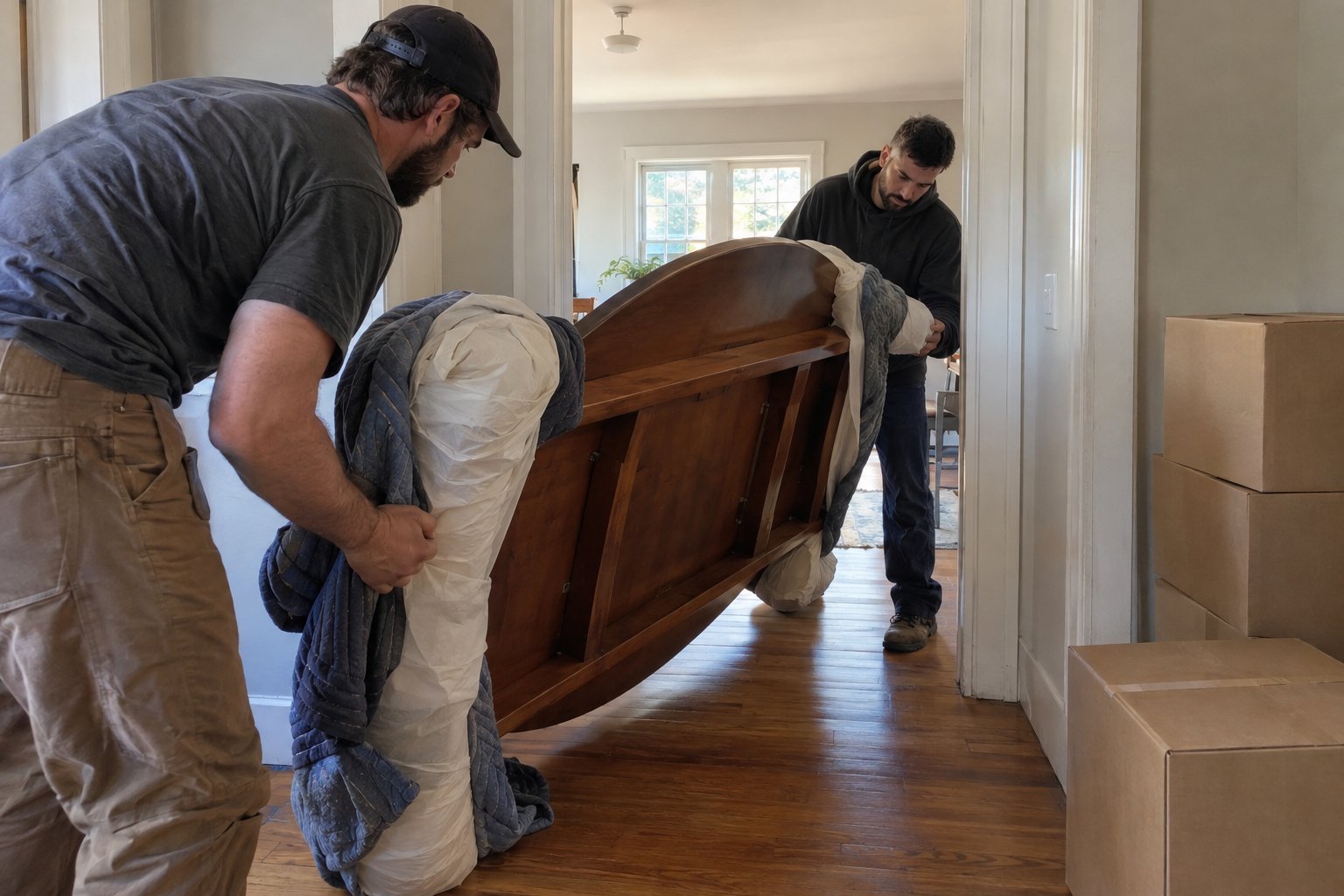
Yes. Tipping movers is standard practice in the United States, similar to tipping servers or delivery drivers, even though it isn't legally required or automatically added to your bill. Movers are doing physically demanding, often risky work (navigating stairs with a couch, carrying boxes in summer heat), and a tip is how customers recognize effort that goes beyond the flat-rate quote.
That said, nobody will chase you down for a tip, and a mediocre or careless crew doesn't owe an automatic gratuity just because it's "customary." Tipping should track the actual experience: care taken with your furniture, communication, speed, and attitude. If you're still building out your moving day checklist, it's worth adding "cash for tips" to the list well before crews arrive, so it isn't a last-minute scramble.
Tip amount scales with the length and difficulty of the job, not just a flat percentage of the bill. Most households base the tip on hours worked and number of movers, then adjust up or down for difficulty.
These are ranges, not rules. If your move was small and easy, tipping on the lower end is completely fine. If the crew went out of their way (wrapping an heirloom dresser with extra care, working through a downpour), the higher end is a nice way to say thank you.
Some people prefer a per-hour formula instead of a flat number: roughly $5 per hour worked, per mover, is a common baseline. This works well for jobs that run longer than expected, since the tip naturally scales with the extra time rather than staying fixed. Either method (flat amount by job size, or per-hour) lands in a similar place for most local moves. If you want to see how job size and hours typically affect your overall bill, not just the tip, our local moving services page breaks down what factors into a standard quote.
Cash handed directly to each mover, or to the crew lead to split, is still the most reliable way to tip and the method movers generally prefer. It's immediate, guaranteed to reach the crew (rather than being absorbed into a company payroll process), and doesn't require the movers to trust that a card tip gets distributed fairly.
If you don't have cash on hand, ask the crew lead or your moving coordinator ahead of time whether tips can be added to a card payment or split evenly through the company. Many moving companies can accommodate this, but it's worth confirming before moving day so you're not scrambling for an ATM run at the last minute.
Tipping for a long-distance move typically works a little differently because the crew that loads your truck often isn't the same crew that unloads it at your destination. In that case, it makes sense to tip each crew separately for the portion of the job they actually handled, rather than saving one lump sum for the end.
A common approach: tip the loading crew when they finish, based on the hours and difficulty of that leg, then tip the unloading crew separately once your belongings arrive. If the same crew handles both ends, treat it like a full-day or multi-day local move and tip accordingly at the end of the job. Our long distance moving page covers how crews and timelines typically work on these moves, which can help you plan tipping around the actual schedule.
Tipping is a thank-you for good work, not an obligation you owe regardless of how the move went. If items were damaged through carelessness, the crew was rude or unprofessional, or the company already includes a service charge or gratuity in your invoice, it's reasonable to tip less or skip it and instead raise the issue directly with the company.
Before assuming a tip is owed on top of everything, check your moving estimate or contract. Occasionally, a company will disclose that a gratuity is already built into the quoted price, in which case an additional cash tip is a bonus rather than an expectation.
If you want a quick mental checklist on moving day, run through this: How many hours did the job take? Was anything unusually heavy, fragile, or awkward to move? Did the crew communicate well and treat your belongings with care? Answering those three questions honestly will get you to a fair tip faster than any formula.
Getting a clear, itemized estimate before moving day also makes tipping easier, since you'll know exactly what's included in your quote and won't be guessing whether gratuity is already factored in. If you're still planning your move and want a straightforward breakdown of costs before crews ever show up, our moving cost calculator is a good place to start, or you can go ahead and get a moving quote to lock in your schedule.
Tip at the end of the job, once everything is unloaded and placed, so you can factor in how the whole move actually went. For multi-day or long-distance moves with separate loading and unloading crews, tip each crew when their portion of the job wraps up.
It's not considered rude in the way stiffing a server might be, since moving companies pay a full wage and tipping is a bonus rather than a wage supplement. That said, most customers do tip when the crew performs well, so skipping it entirely is usually reserved for genuinely poor service.
The simplest approach is to hand the total tip to the crew lead and let them divide it, since they know who did what. If you'd rather split it yourself, an even amount per mover is standard unless one person clearly did more of the heavy lifting or coordination.
If the crew was careless, slow without reason, or damaged belongings, it's fair to reduce or skip the tip and address the problem with the moving company directly rather than through the gratuity. Tipping less isn't a substitute for filing a complaint about real damage or poor conduct.
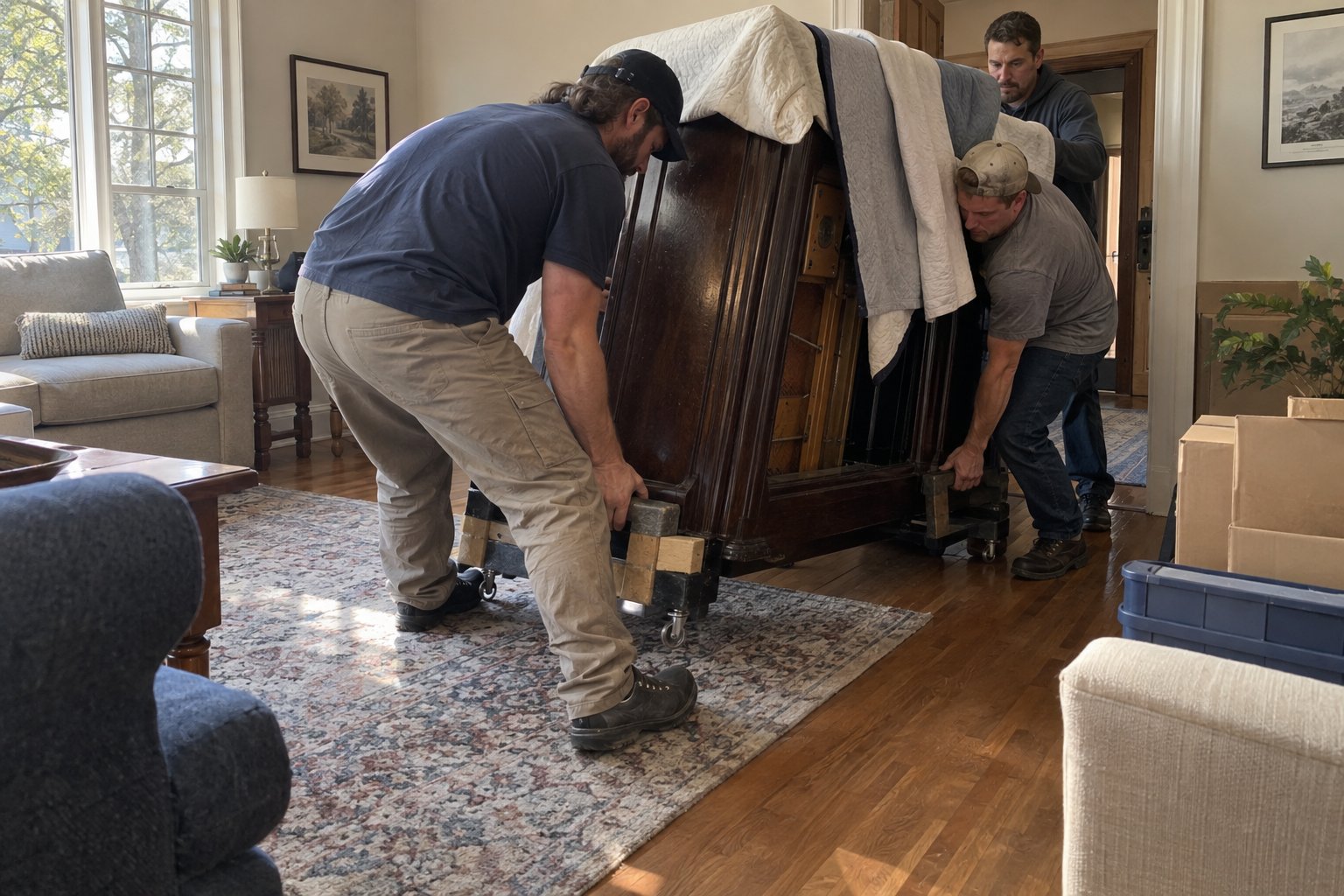
Yes, specialty items like pianos, gun safes, or large appliances involve extra risk and physical strain, so adding $10 to $20 per mover on top of your base tip is a common way to acknowledge that extra difficulty.
From Durango to communities across Southwest Colorado, High Mountain Moving is here when you need reliable residential, commercial, or long-distance moving services. Request your free quote today.